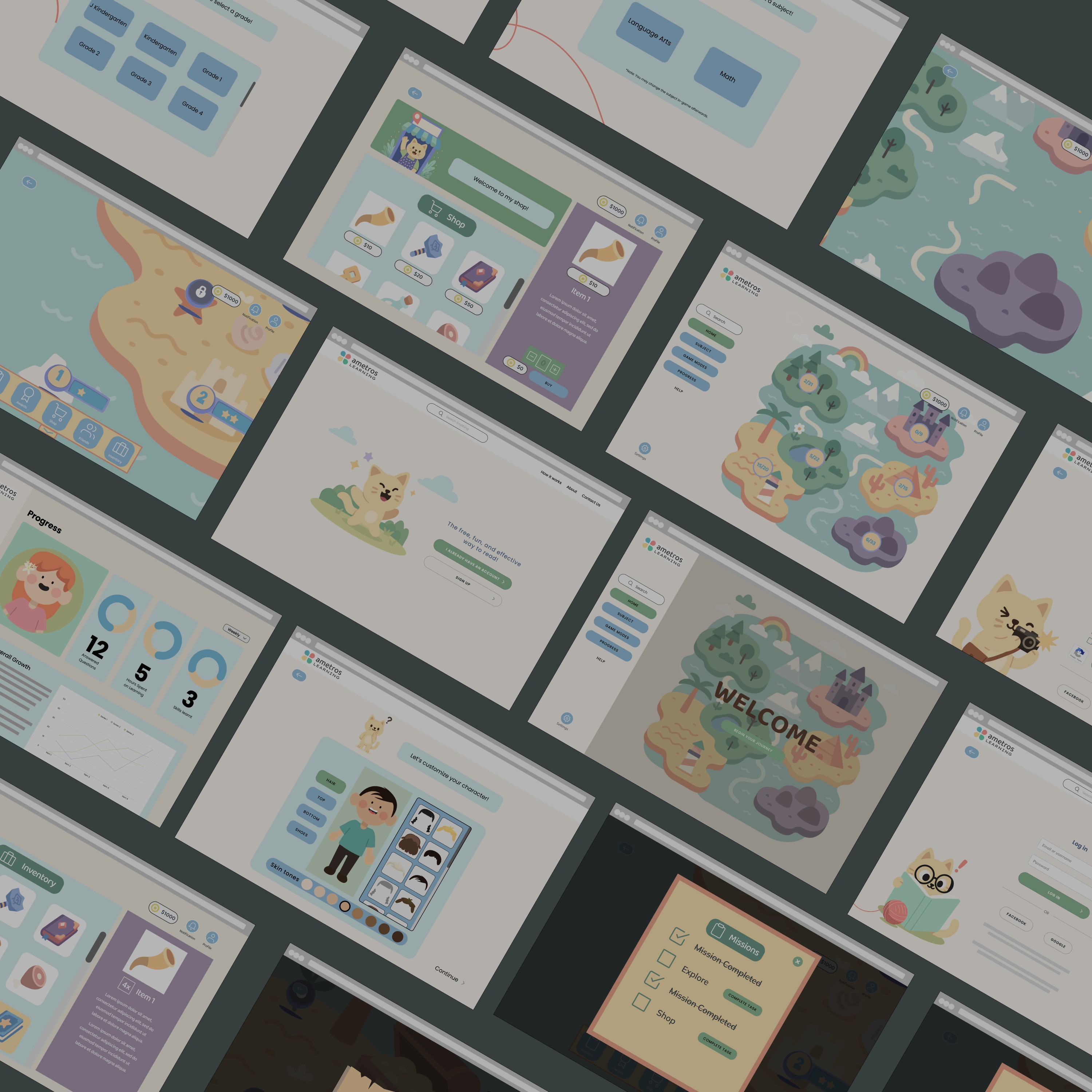
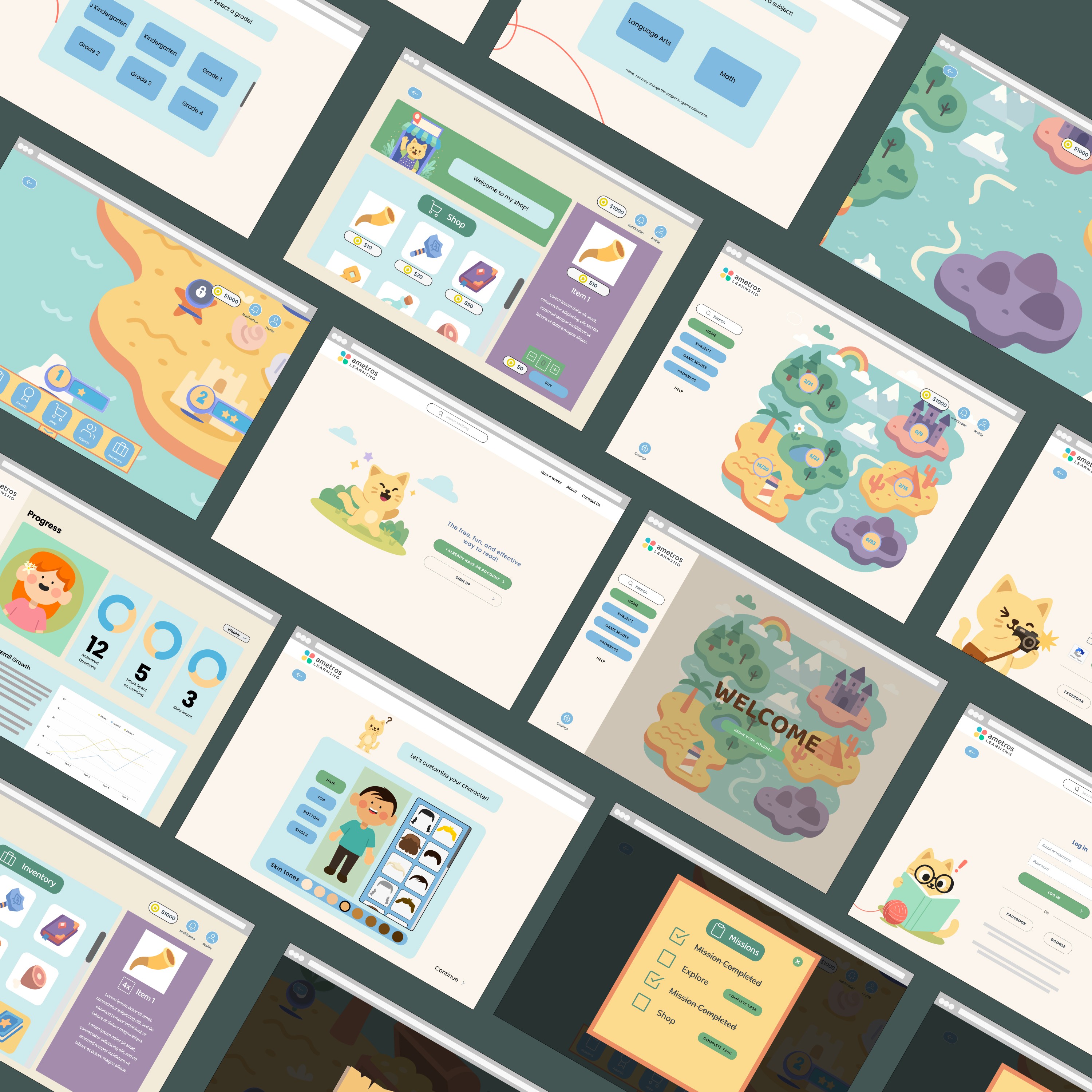
An educational adventure designed to close learning gaps—with personalized quests, collaborative play, and an AI-powered cat to guide the way.
An educational adventure designed to close learning gaps—with personalized quests, collaborative play, and an AI-powered cat to guide the way.
An educational adventure designed to close learning gaps—with personalized quests, collaborative play, and an AI-powered cat to guide the way.
Ametros Learning: Case Study
Ametros Learning:
Case Study
Ametros Learning:
Case Study
Jan 2025 - Apr 2025
Jan 2025 - Apr 2025
Type: Case Study, Course Project at Toronto Metropolitan University, Pair Project
Type: Case Study, Course Project at Toronto Metropolitan University, Pair Project
Roles: Lead UX Designer and Researcher
Roles: Lead UX Designer and Researcher
Tools: Figma
Tools: Figma
Target Audience: Customer: Parents & Teachers, Consumers: Ontario K-12 students
Target Audience: Customer: Parents & Teachers, Consumers: Ontario K-12 students
Time limit: 10 weeks
Time limit: 10 weeks
Team size: 2
Team size: 2
Project Summary:
This case study is part of a larger Industry Partnership Major Research Project (MRP) with Ametros Learning, which is a company that provides AI-powered practice-based learning that is primarily targeted towards post-secondary students. The research and prototype work done in this case study serves as a framework for the MRP. The MRP was created to address the issue in the current traditional education system that lacks personalization for a diverse range of students from having a skewed teacher to student ratio.
Project Summary:
This case study is part of a larger Industry Partnership Major Research Project (MRP) with Ametros Learning, which is a company that provides AI-powered practice-based learning that is primarily targeted towards post-secondary students. The research and prototype work done in this case study serves as a framework for the MRP. The MRP was created to address the issue in the current traditional education system that lacks personalization for a diverse range of students from having a skewed teacher to student ratio.
Problem
Problem
Traditional classroom settings often fail to address the diverse learning levels of students, especially those who need more time, support, or alternative methods to grasp key concepts and nurture motivation for learning.
As a result, many fall behind and disengage from the learning process.
Traditional classroom settings often fail to address the diverse learning levels of students, especially those who need more time, support, or alternative methods to grasp key concepts and nurture motivation for learning.
As a result, many fall behind and disengage from the learning process.
Value Proposition
Value Proposition
A game-based learning platform that transforms Ontario K-12 education and foundational skills into an engaging, personalized journey—guided by adaptive AI that serves as a real-time tutor and rooted in meaningful collaboration among classmates.
Unlike many gamified learning platforms that treat learning tasks as purely educational questions, disconnected from the overall narrative of the game, our platform integrates learning into the game's narrative adventure to help transform extrinsic motivation into intrinsic motivation.
A game-based learning platform that transforms Ontario K-12 education and foundational skills into an engaging, personalized journey—guided by adaptive AI that serves as a real-time tutor and rooted in meaningful collaboration among classmates.
Unlike many gamified learning platforms that treat learning tasks as purely educational questions, disconnected from the overall narrative of the game, our platform integrates learning into the game's narrative adventure to help transform extrinsic motivation into intrinsic motivation.
Phases
Phases






Competitive Audit
Competitive Audit
For our primary research before the initial concepting of our case study, we created a list of direct and indirect competitors that exist within the educational game genre.
For our primary research before the initial concepting of our case study, we created a list of direct and indirect competitors that exist within the educational game genre.
Direct competitors:
Khan Academy
IXL Learning
Shoelace
Kahoot
Direct competitors:
Khan Academy
IXL Learning
Shoelace
Kahoot
Direct competitors:
Khan Academy
IXL Learning
Shoelace
Kahoot
Indirect competitors:
Duolingo
Alta
Quizlet
Coursera
Indirect competitors:
Duolingo
Alta
Quizlet
Coursera







From this list, we conducted multiple SWOT Analyses and Heuristic Evaluations on three chosen competitors: Khan Academy, Duolingo, and IXL Learning. These two evaluations were conducted to help us understand more in-depth of the platforms’ user experiences, their strategies to maintain engagement within children and the overall effectiveness of learning modules.
From this list, we conducted multiple SWOT Analyses and Heuristic Evaluations on three chosen competitors: Khan Academy, Duolingo, and IXL Learning. These two evaluations were conducted to help us understand more in-depth of the platforms’ user experiences, their strategies to maintain engagement within children and the overall effectiveness of learning modules.
Key Findings & Pain Points: (What did you learn from users? What were their needs?)
Khan Academy offers free, in-depth, structured educational courses.
Duolingo provides bite-sized, colourful visuals and gamified lessons to make learning engaging.
IXL offers various forms of learning, including fun games and quizzes.
The common weakness is the lack of individual personalization for each child’s needs.
Key Findings & Pain Points: (What did you learn from users? What were their needs?)
Khan Academy offers free, in-depth, structured educational courses.
Duolingo provides bite-sized, colourful visuals and gamified lessons to make learning engaging.
IXL offers various forms of learning, including fun games and quizzes.
The common weakness is the lack of individual personalization for each child’s needs.
Initial Concepting
Initial Concepting
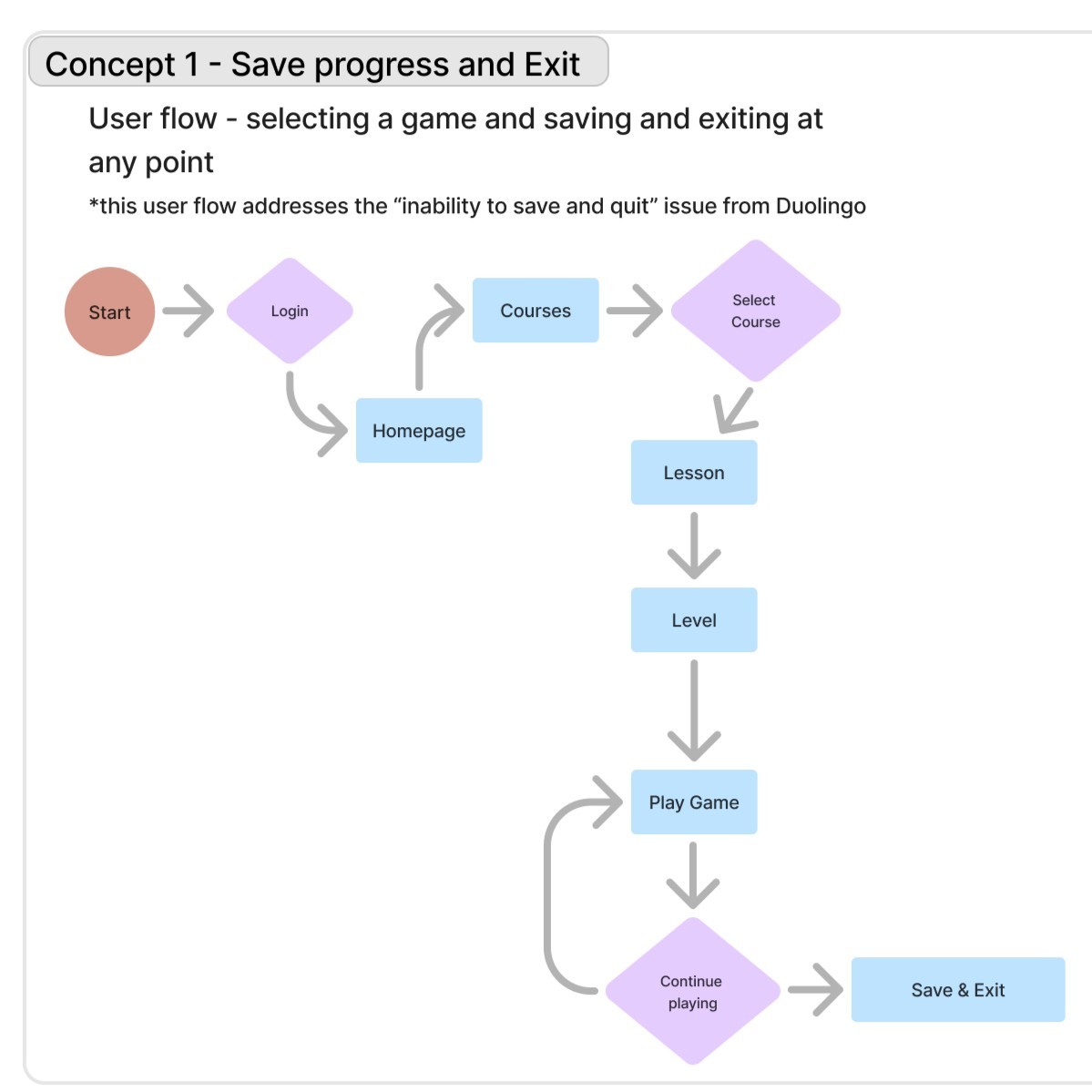
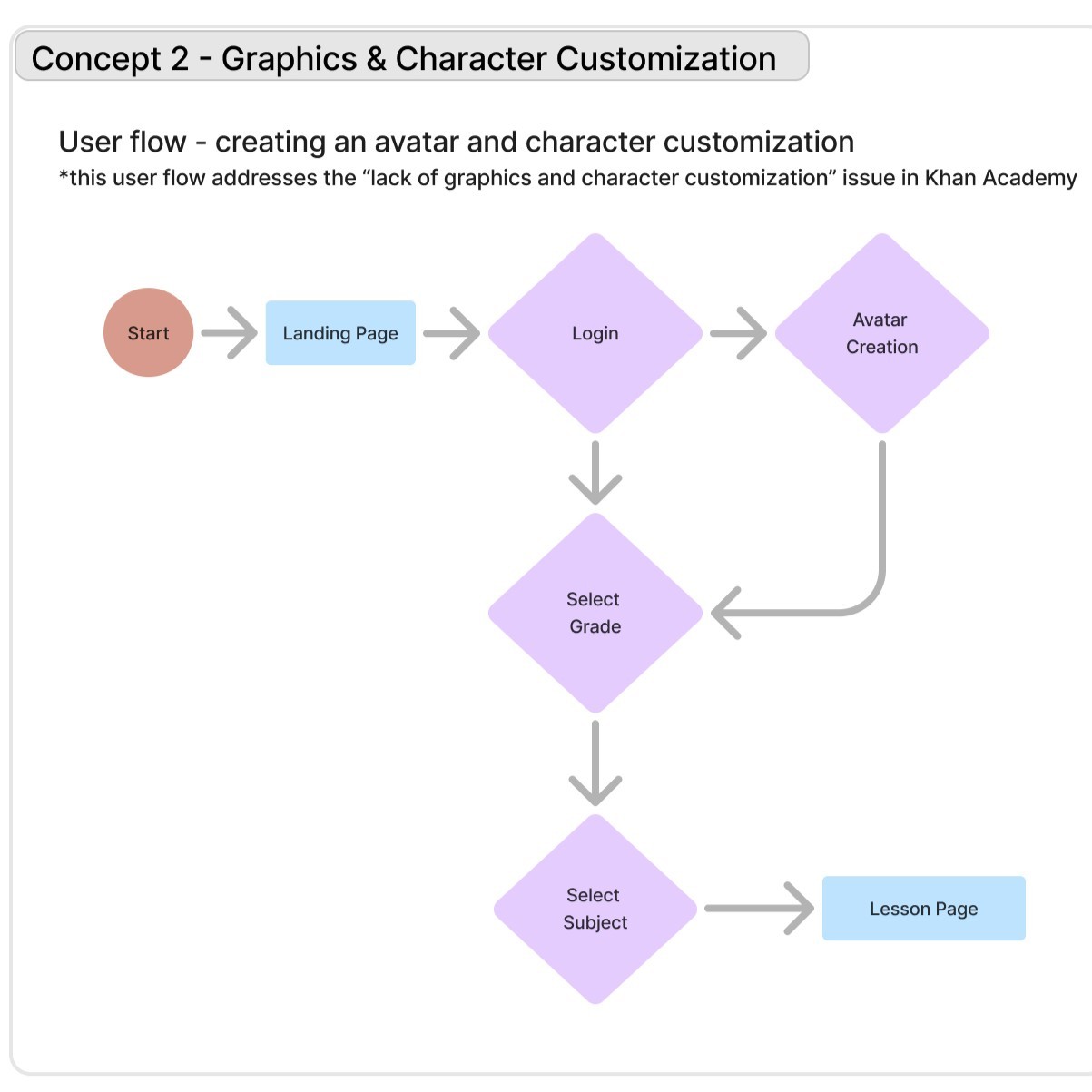
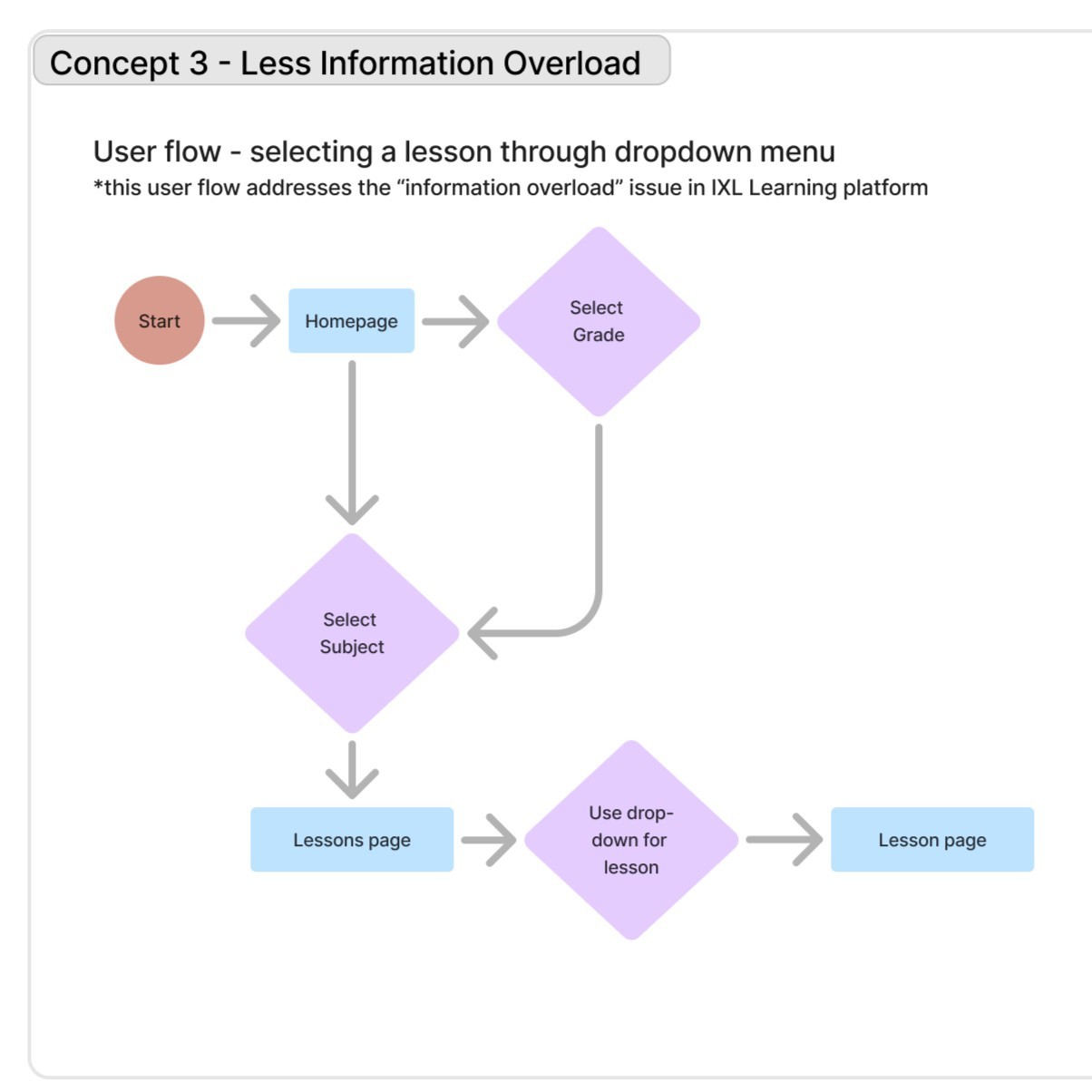
After conducting the SWOT Analyses and Heuristic Evaluations on Khan Academy, Duolingo, and IXL Learning, we picked out one major issue we found from each platform to generate three initial concept designs to wireframe.
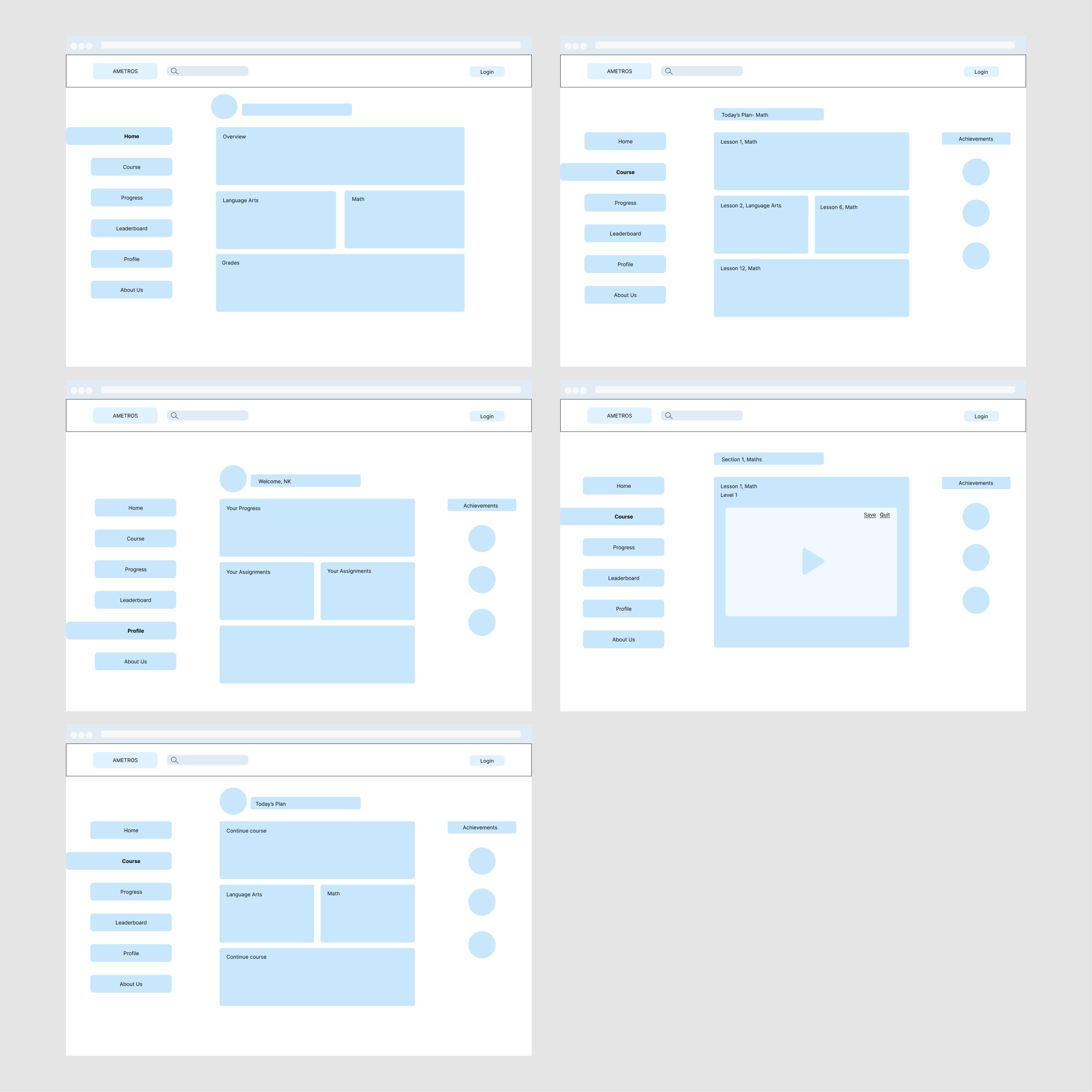
Concept 1: Save progress and Exit at any point
(issue from Duolingo)Grants ability to save and quit an exercise at any point
Concept 2: Graphics and Character Customization
(issue from Khan Academy)Grants ability to create an avatar and customize
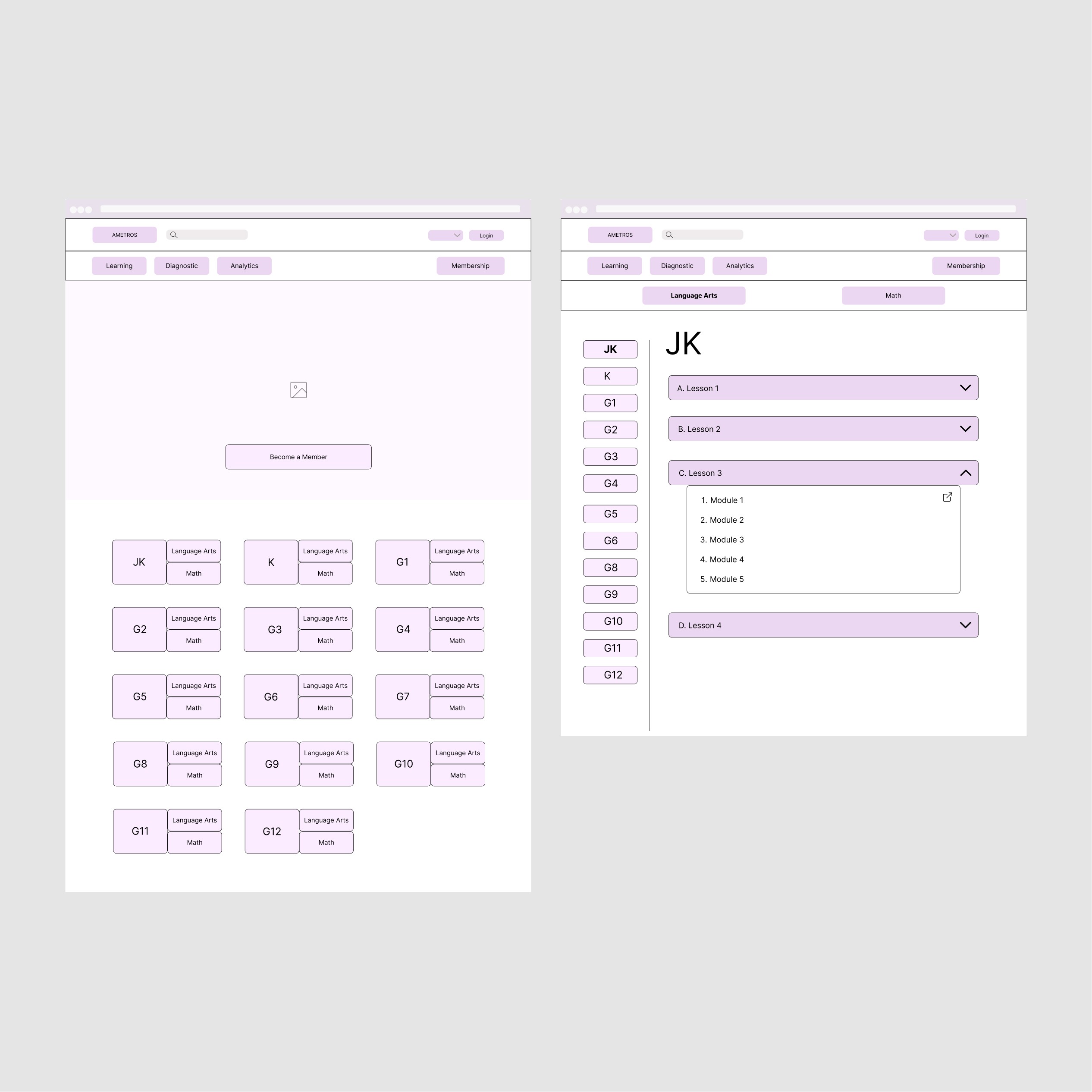
Concept 3: Less Information Overload
(issue from IXL Learning)Utilizes drop-down menus to hide unnecessary information overload
After conducting the SWOT Analyses and Heuristic Evaluations on Khan Academy, Duolingo, and IXL Learning, we picked out one major issue we found from each platform to generate three initial concept designs to wireframe.
Concept 1: Save progress and Exit at any point
(issue from Duolingo)Grants ability to save and quit an exercise at any point
Concept 2: Graphics and Character Customization
(issue from Khan Academy)Grants ability to create an avatar and customize
Concept 3: Less Information Overload
(issue from IXL Learning)Utilizes drop-down menus to hide unnecessary information overload
Userflow
Wireframes First Iteration
Wireframes First Iteration
Concept Validation:
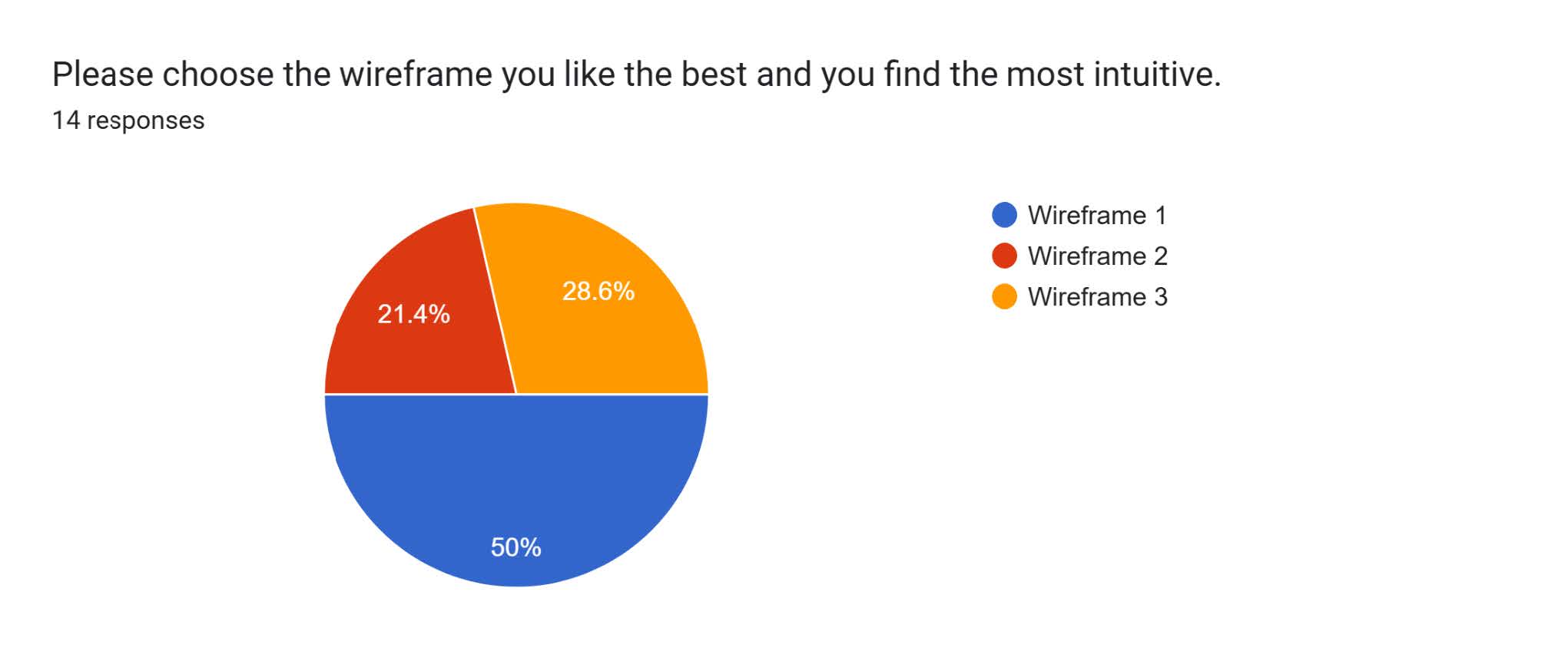
Before wireframing our first iteration, we were tasked to validate our three initial concepts through user interviews and testing to select the best of the three concepts. To validate the concepts, we created a survey and presented it to our peers and gathered feedback on usability, clarity, and perceived effectiveness.
Out of the 14 responses we received on the survey within the span of a week, concept 1 was voted the best and most intuitive out of the three.
Concept Validation:
Before wireframing our first iteration, we were tasked to validate our three initial concepts through user interviews and testing to select the best of the three concepts. To validate the concepts, we created a survey and presented it to our peers and gathered feedback on usability, clarity, and perceived effectiveness.
Out of the 14 responses we received on the survey within the span of a week, concept 1 was voted the best and most intuitive out of the three.
Concept Validation:
Before wireframing our first iteration, we were tasked to validate our three initial concepts through user interviews and testing to select the best of the three concepts. To validate the concepts, we created a survey and presented it to our peers and gathered feedback on usability, clarity, and perceived effectiveness.
Out of the 14 responses we received on the survey within the span of a week, concept 1 was voted the best and most intuitive out of the three.
First Iteration of Chosen Concept:
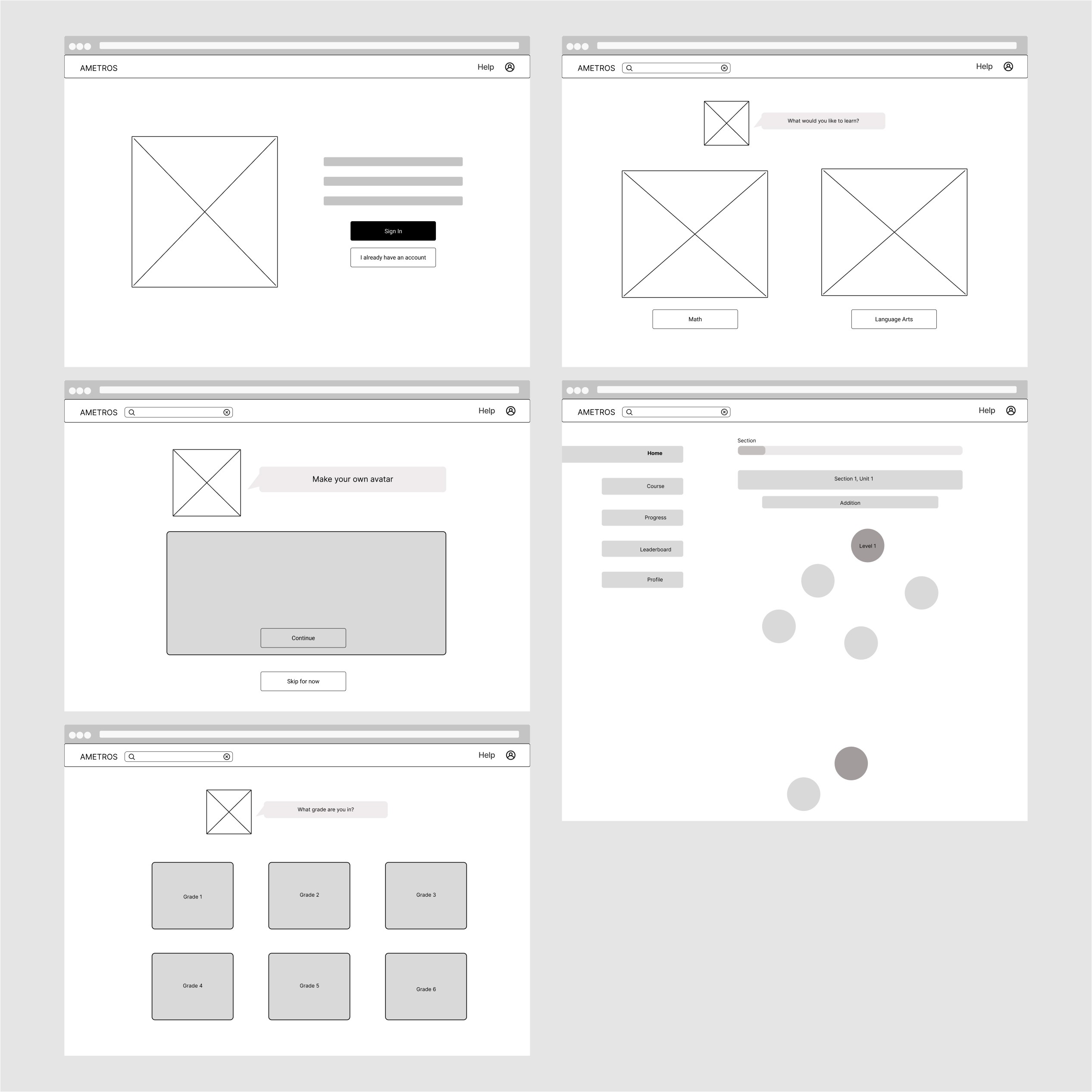
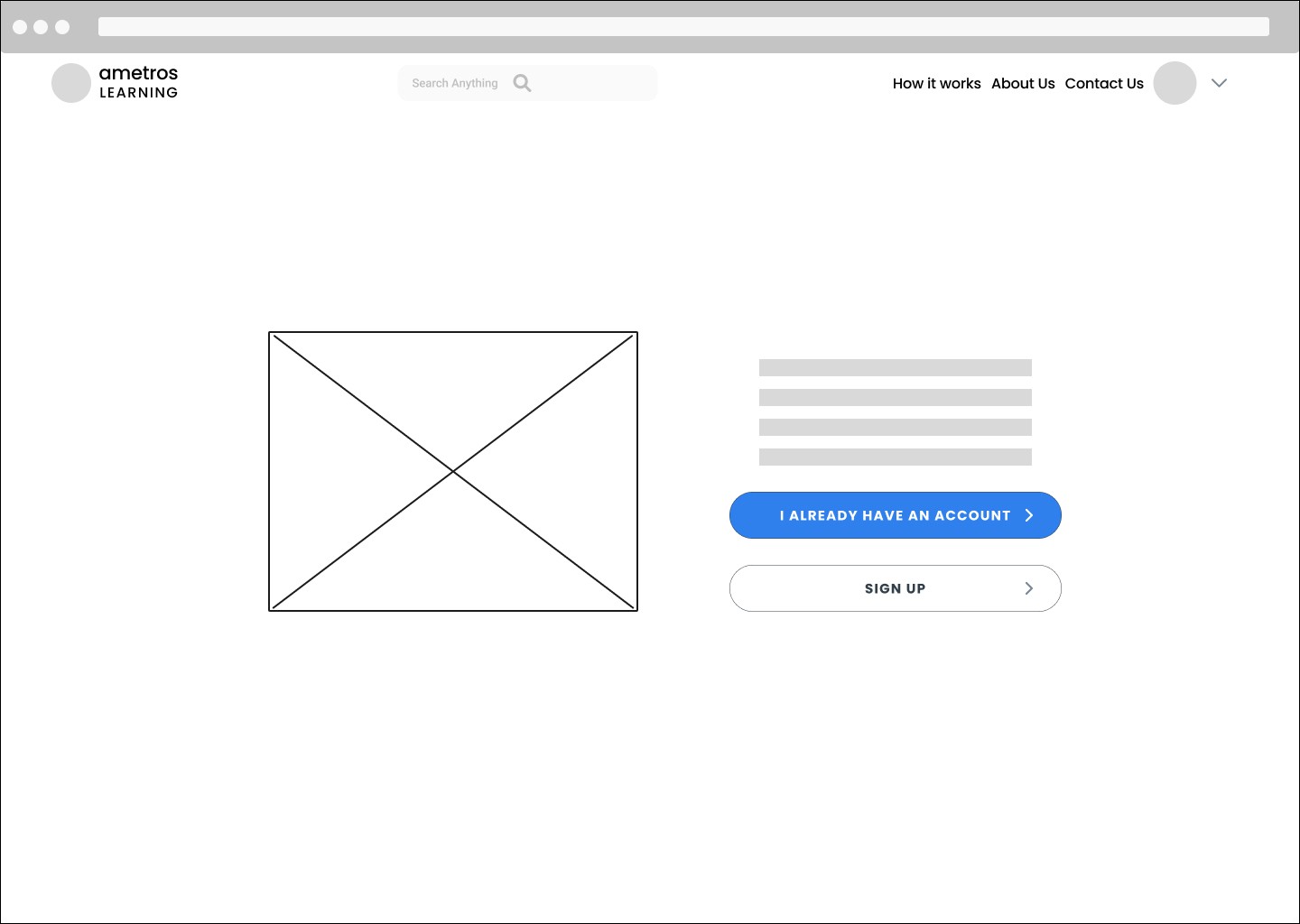
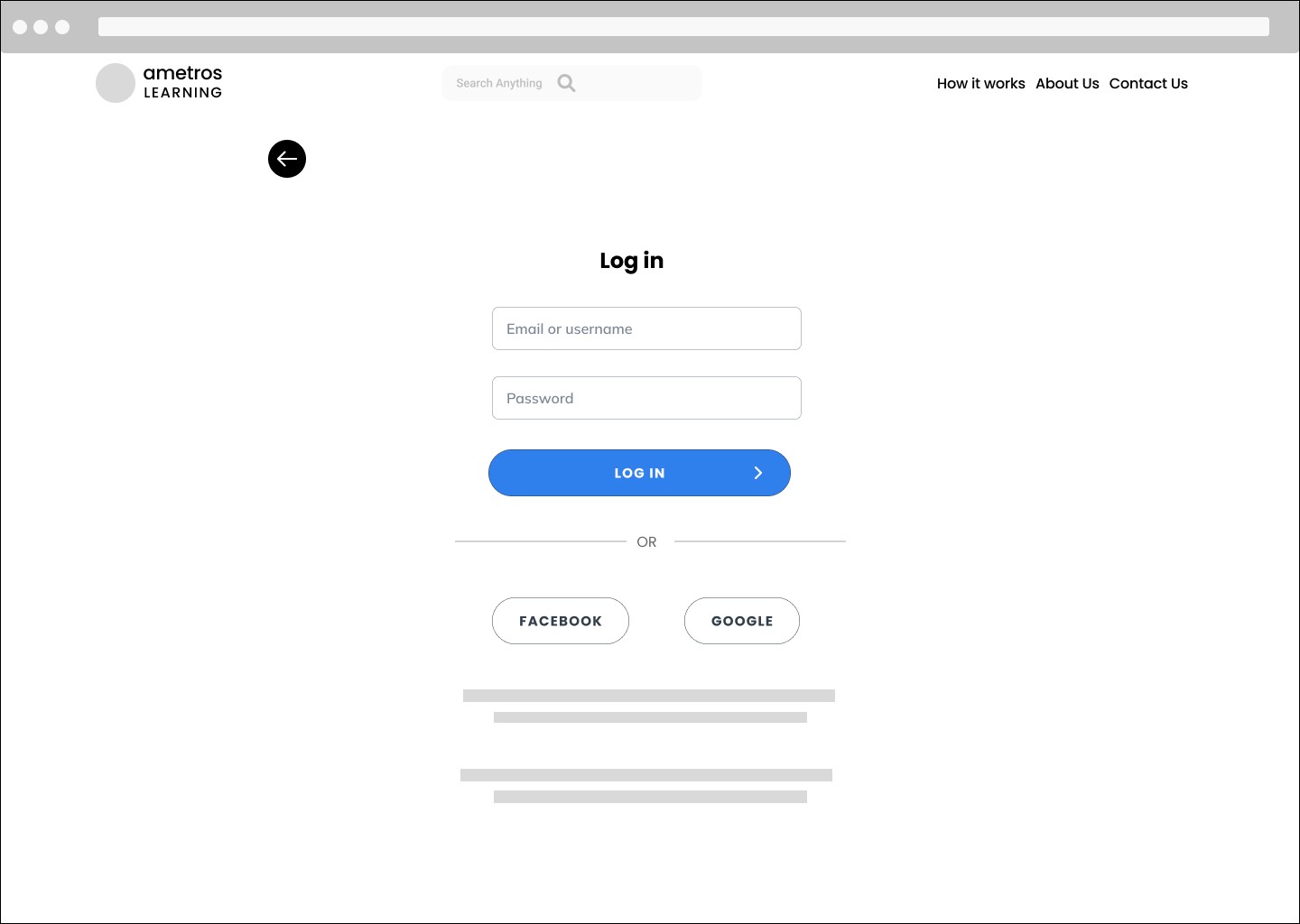
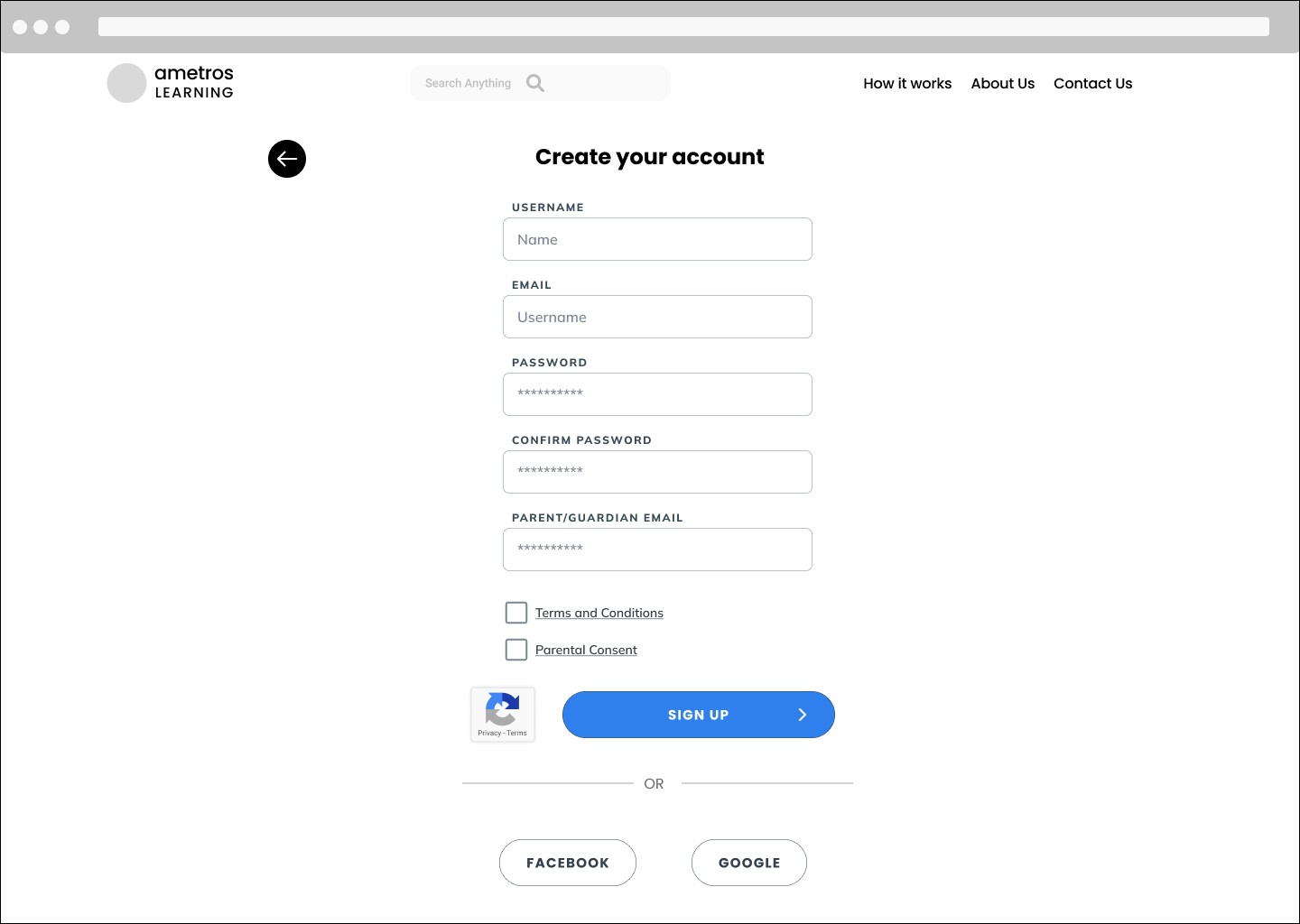
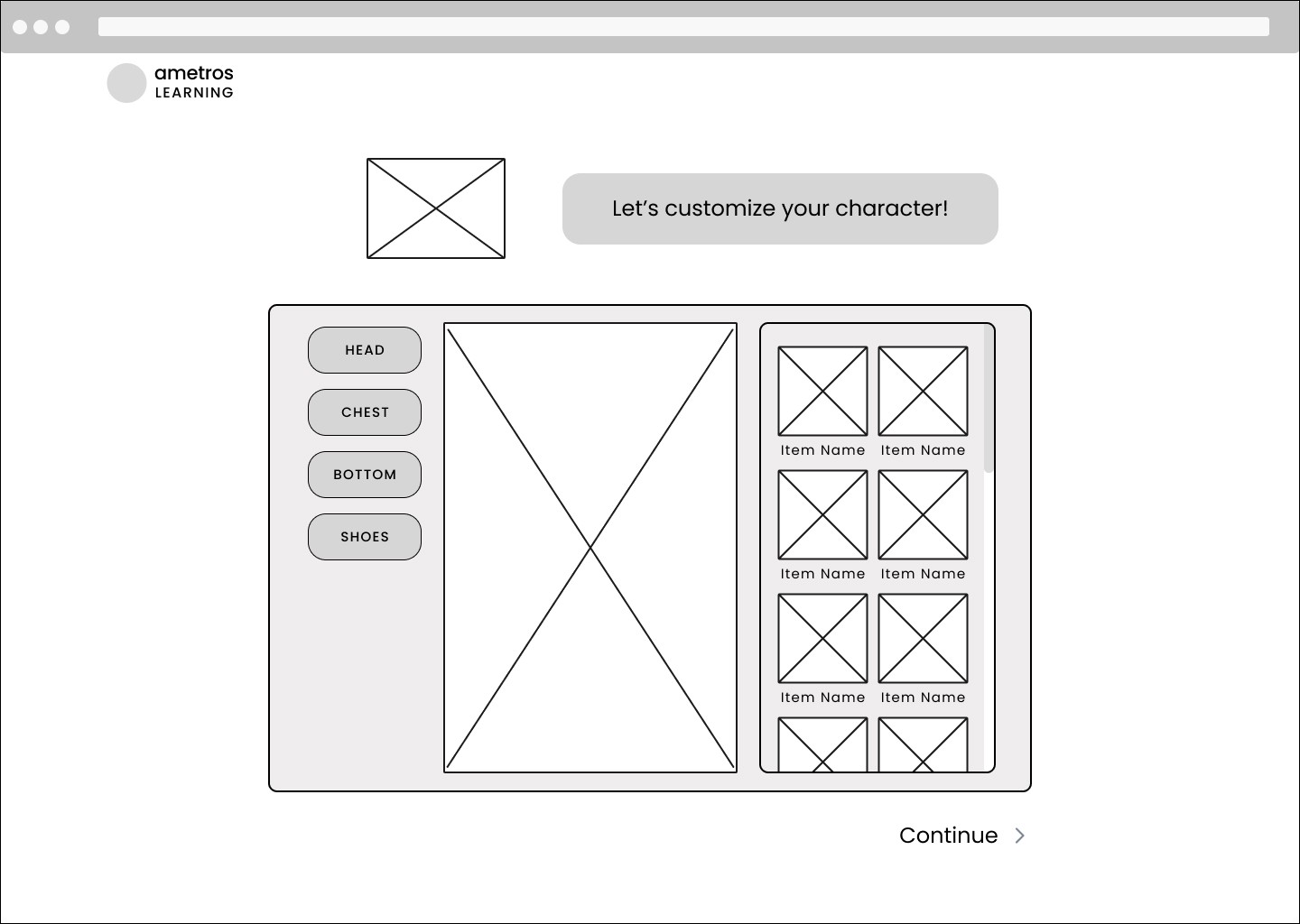
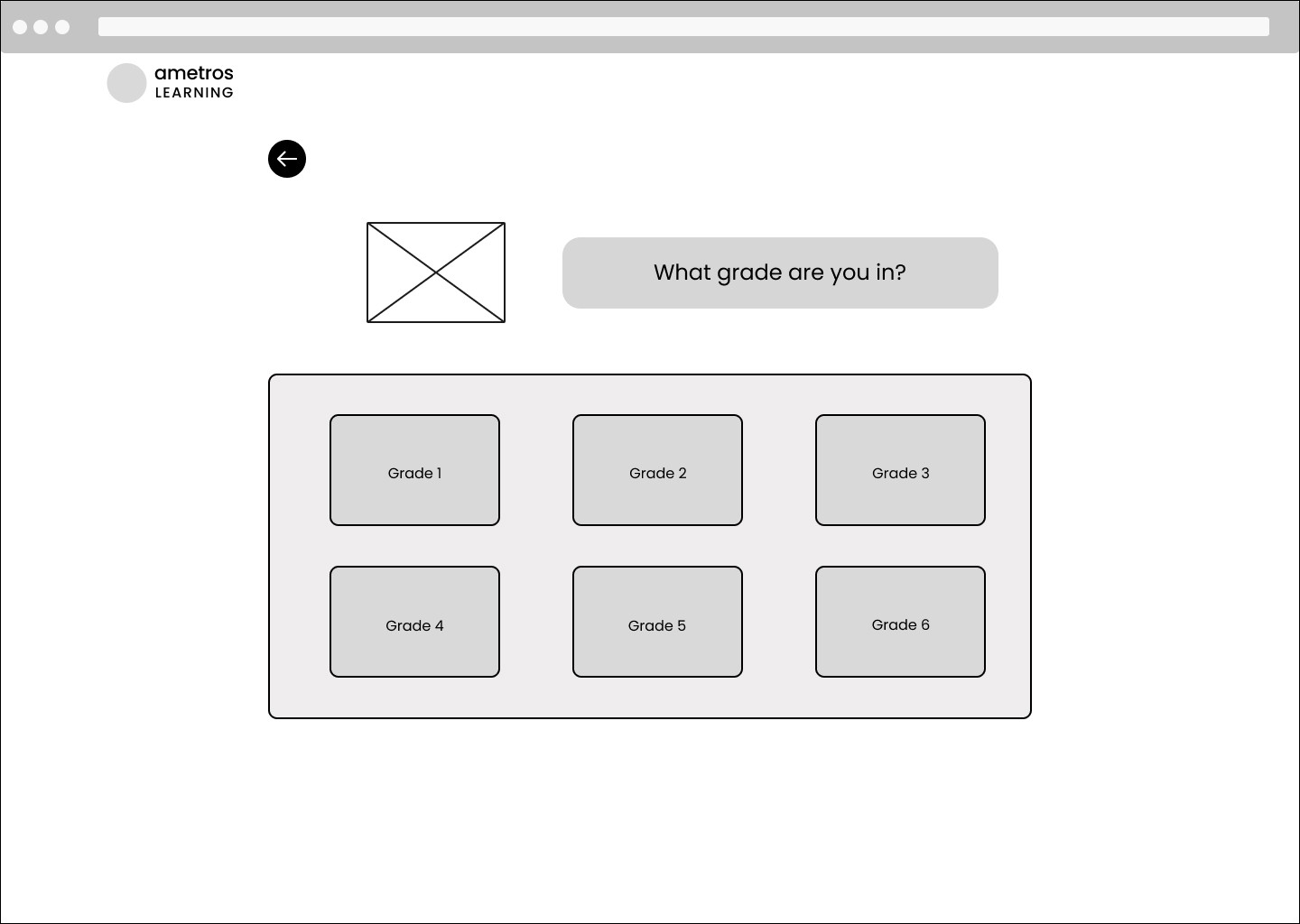
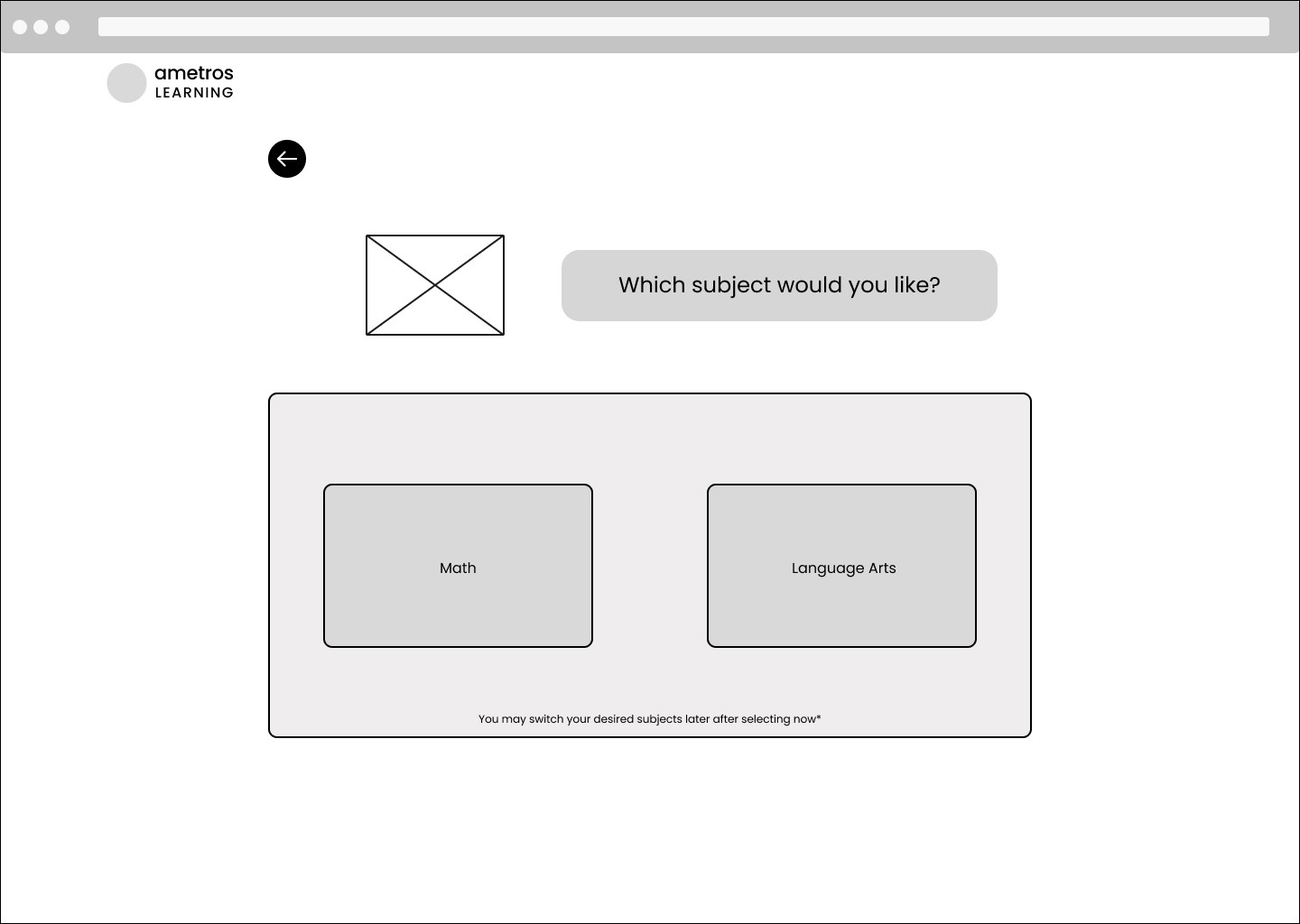
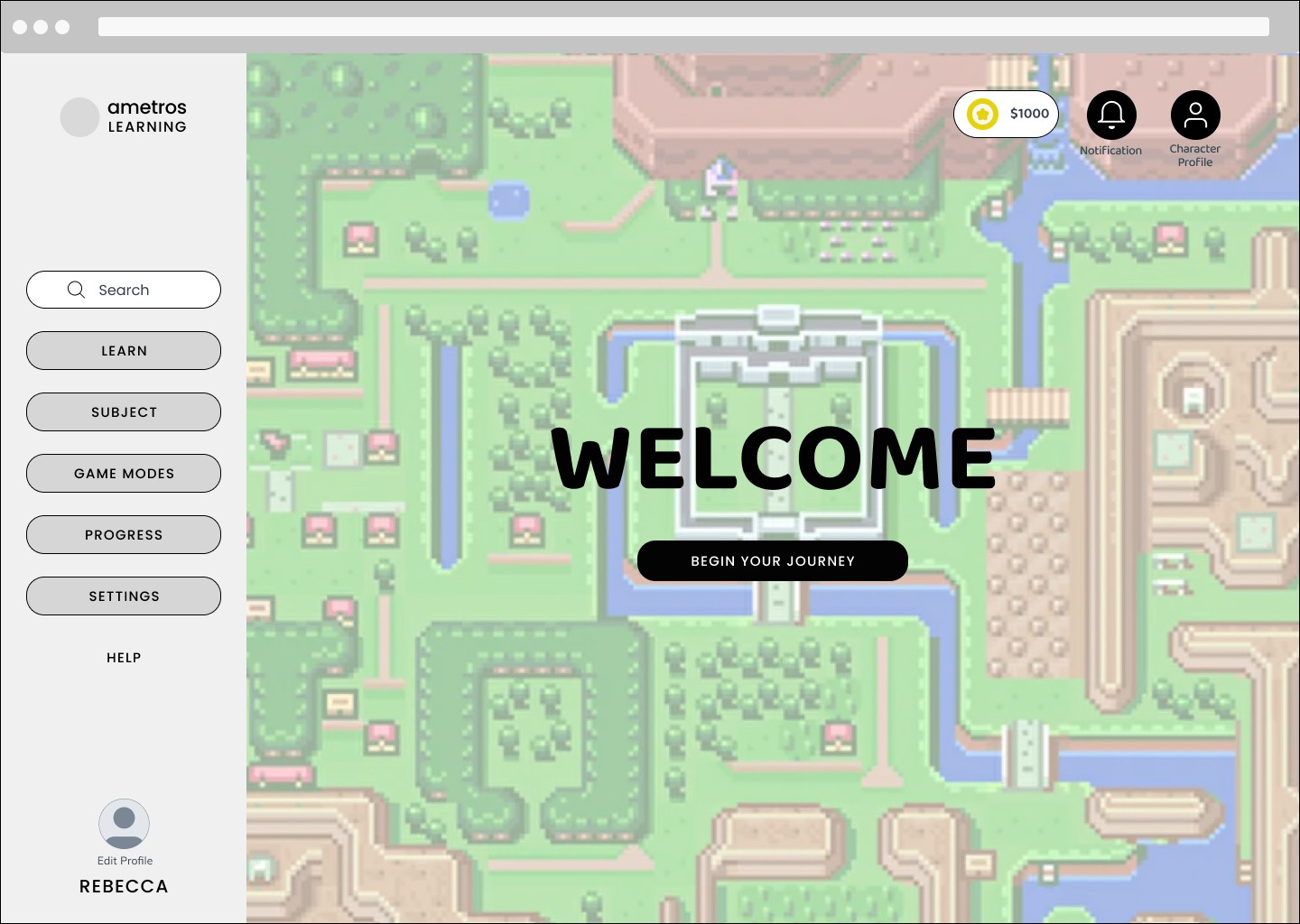
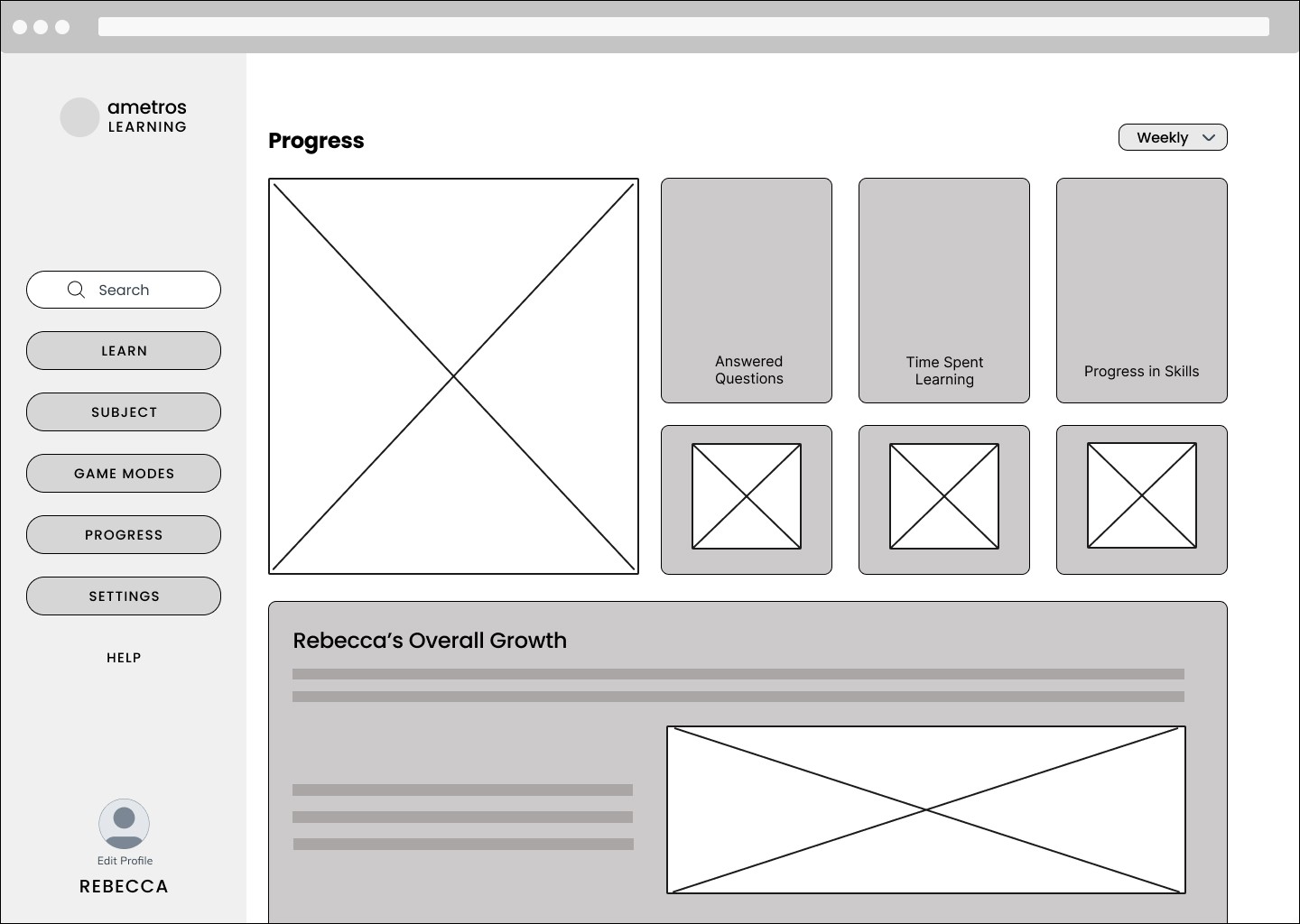
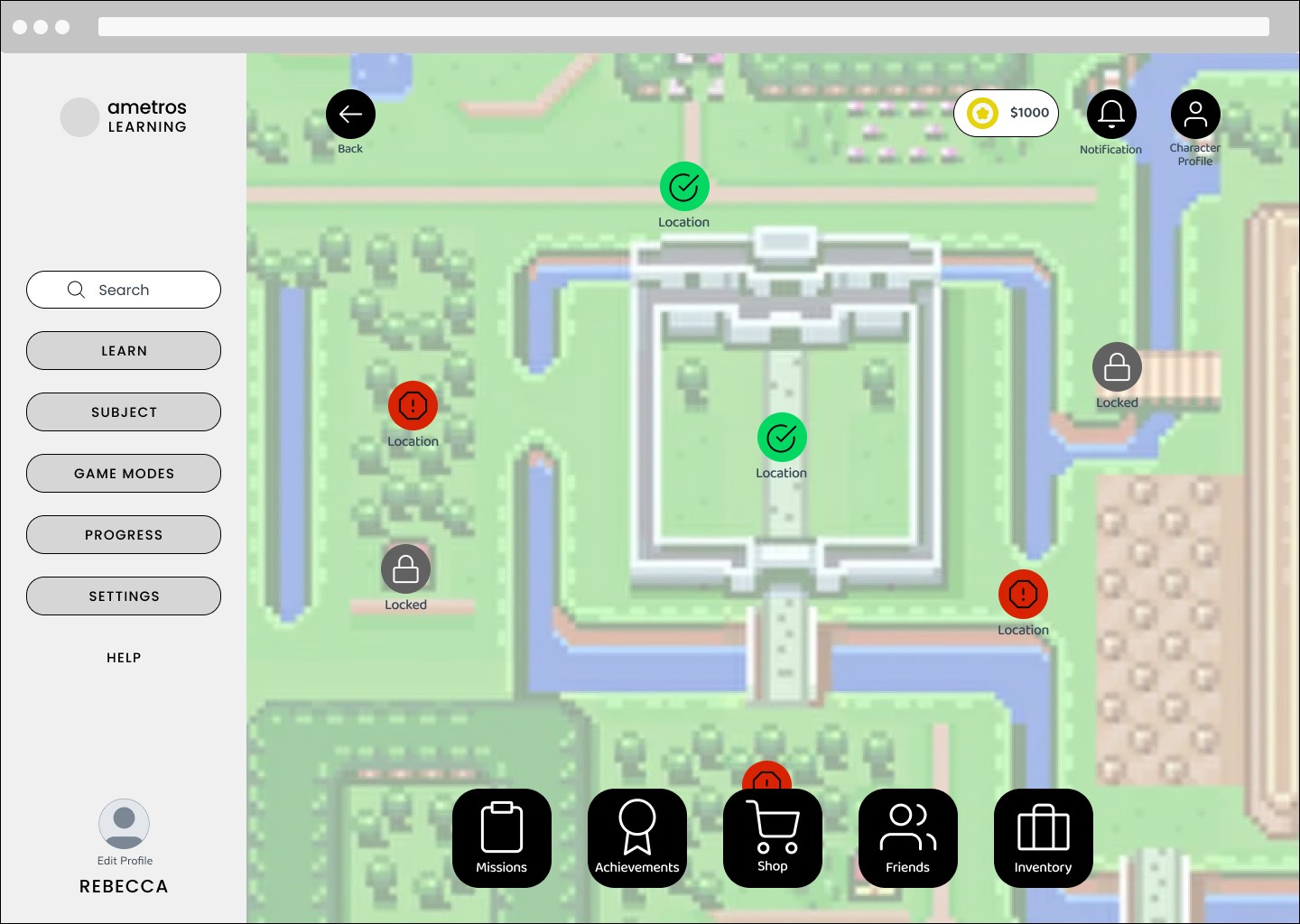
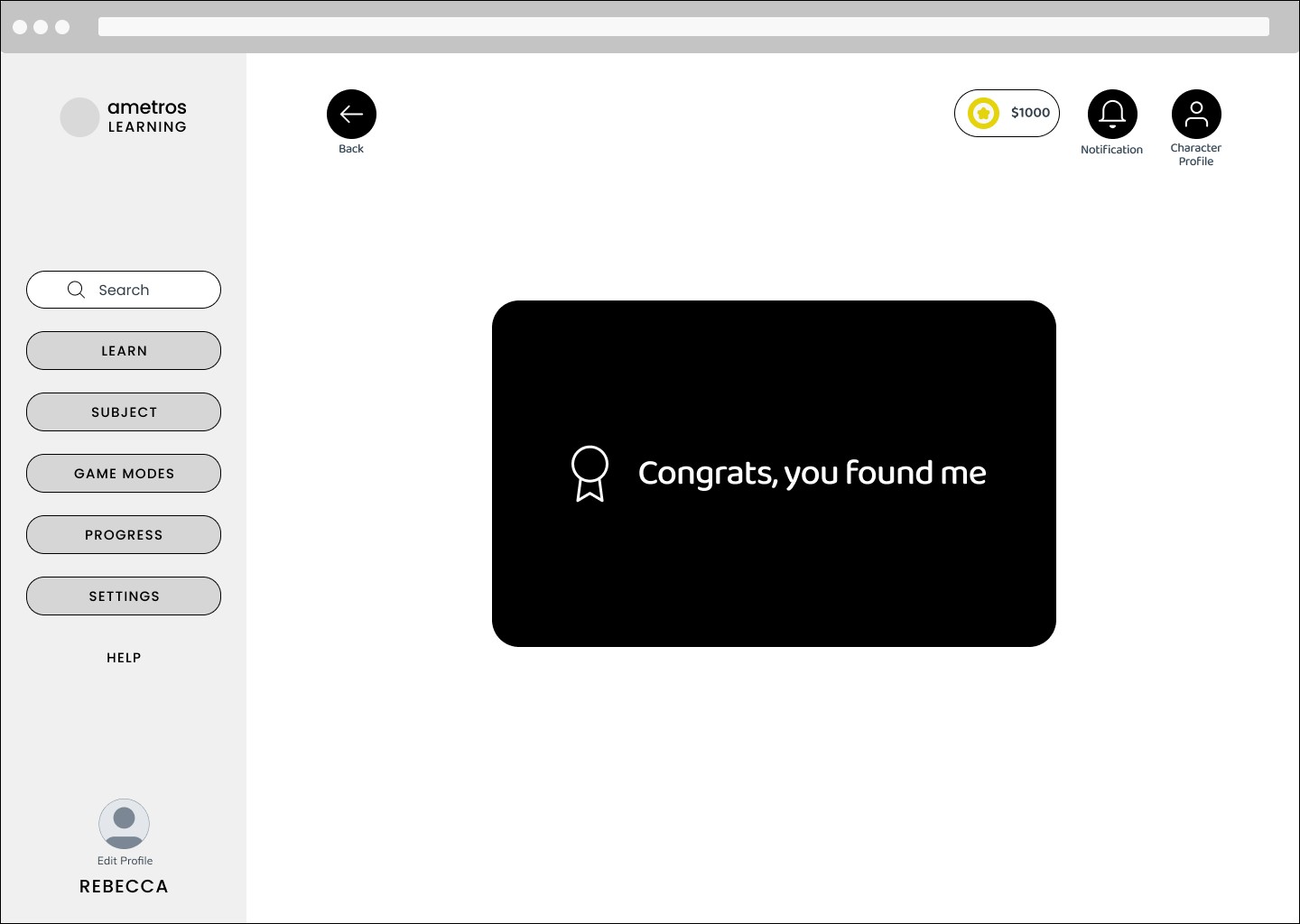
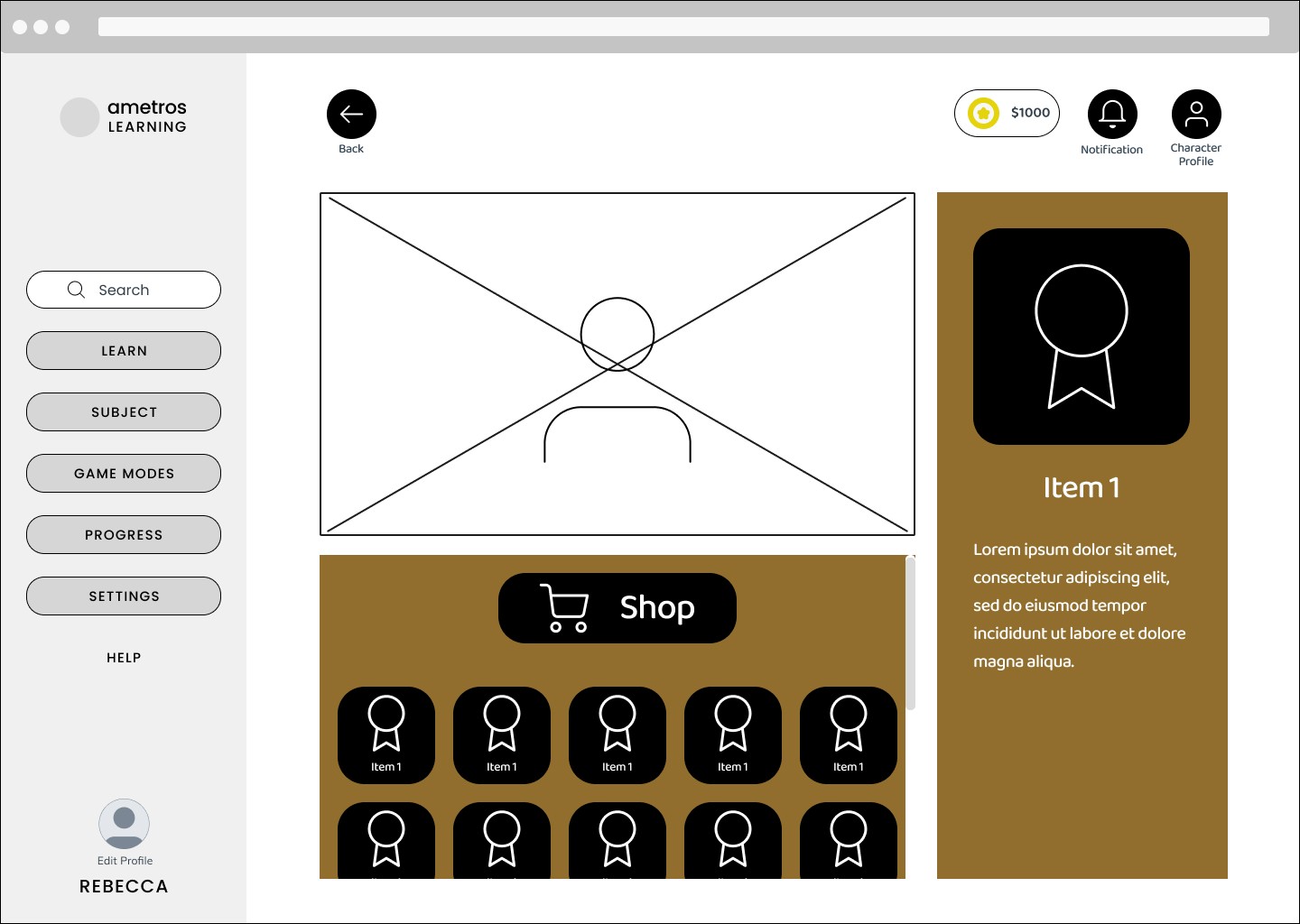
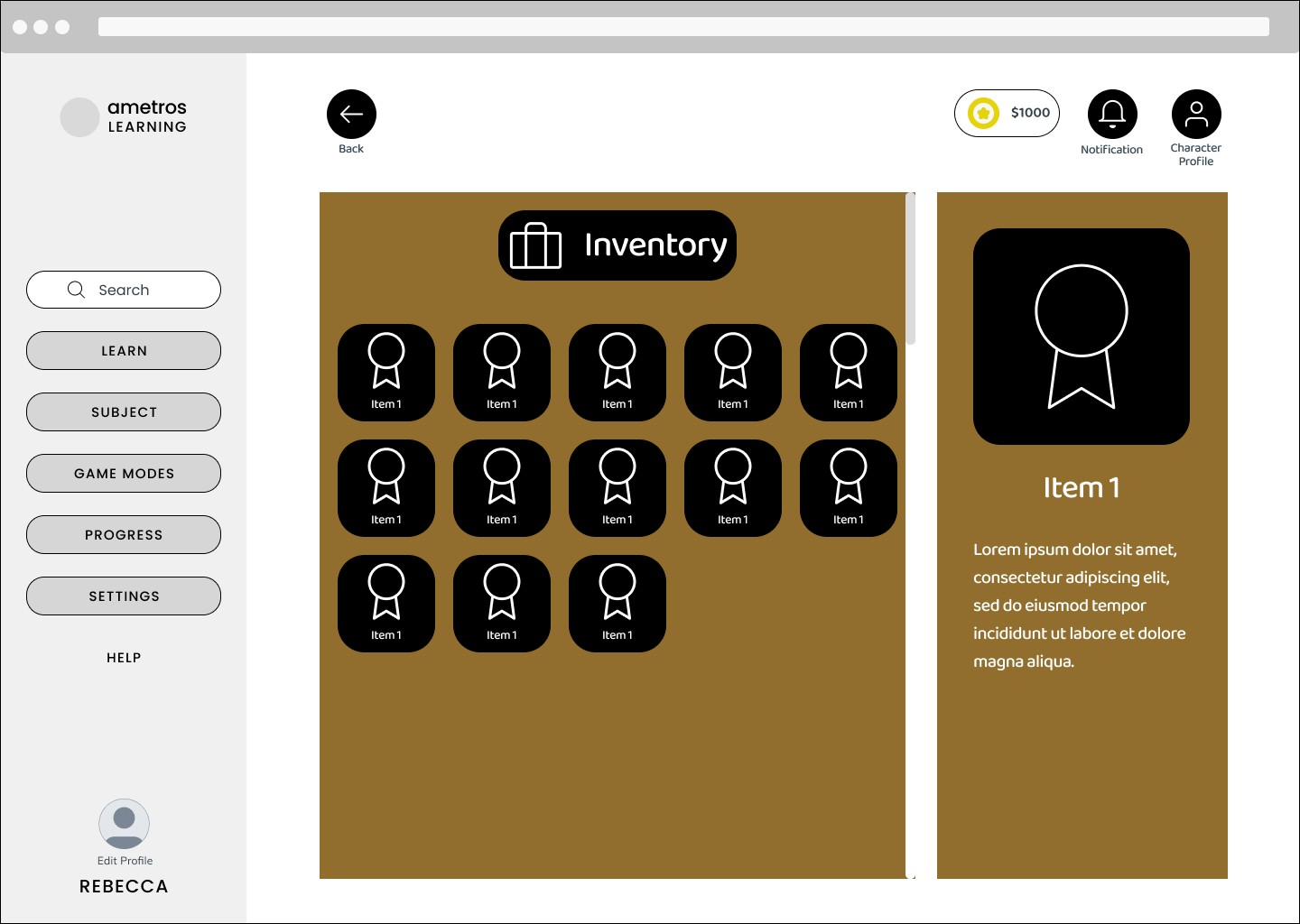
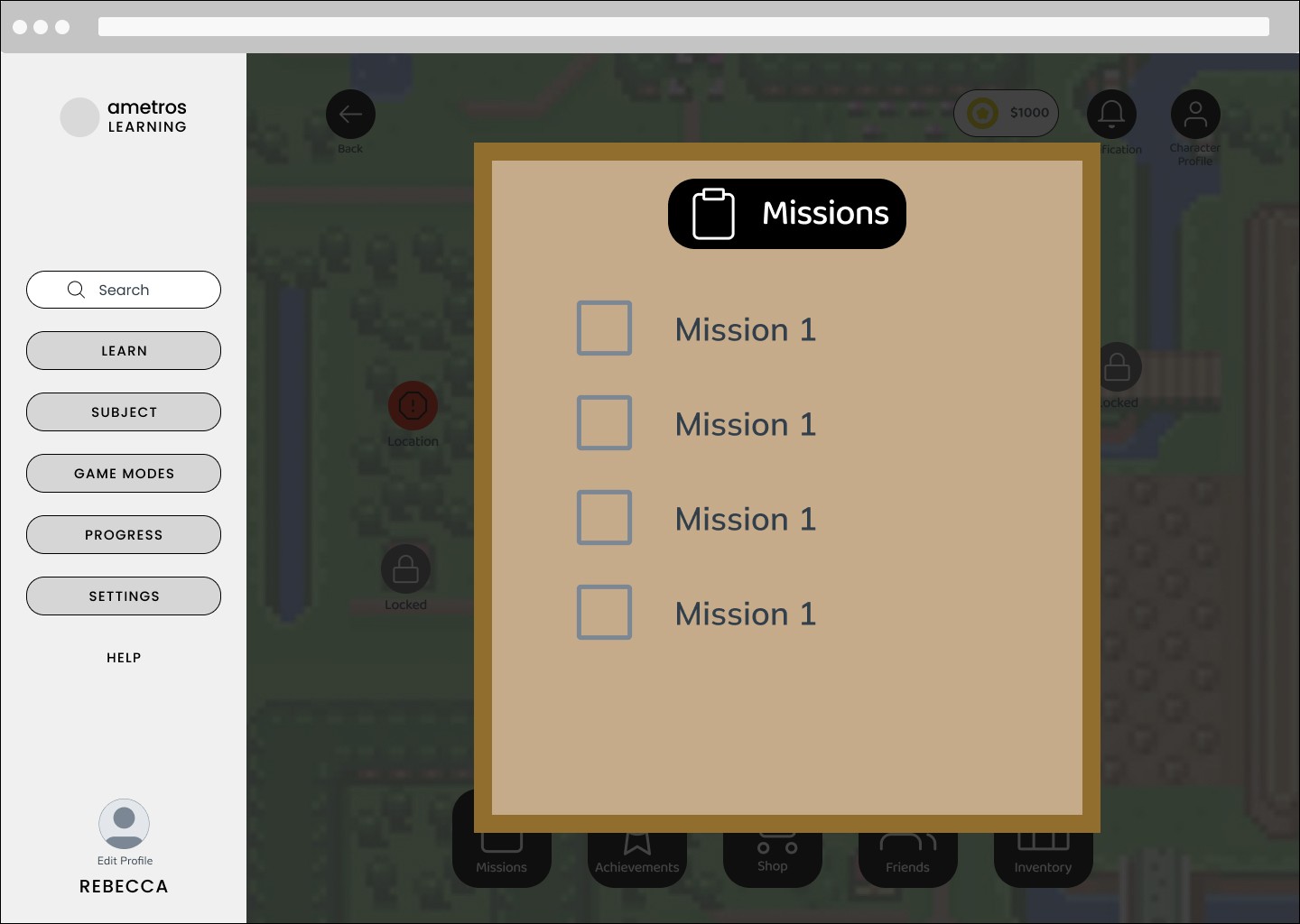
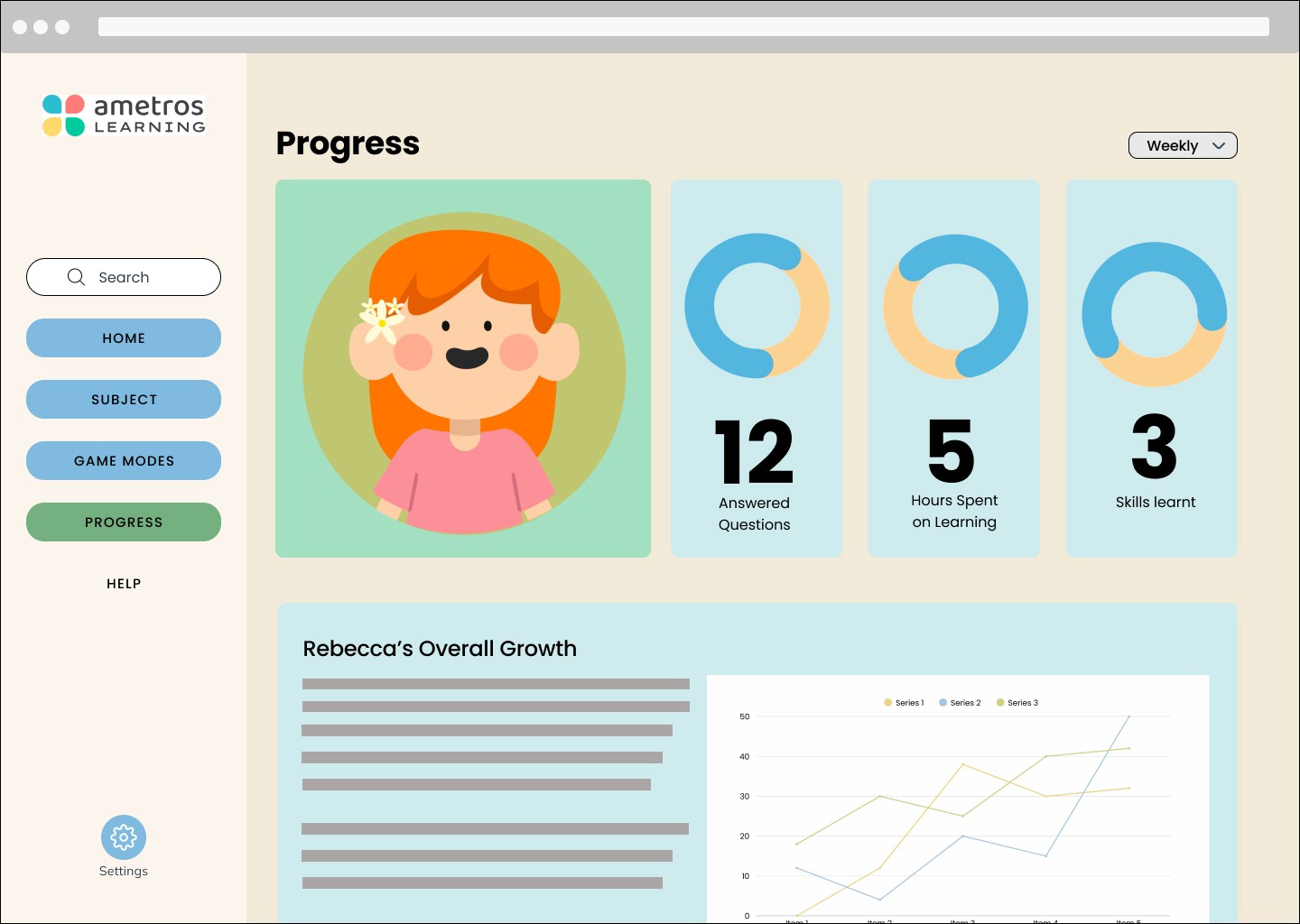
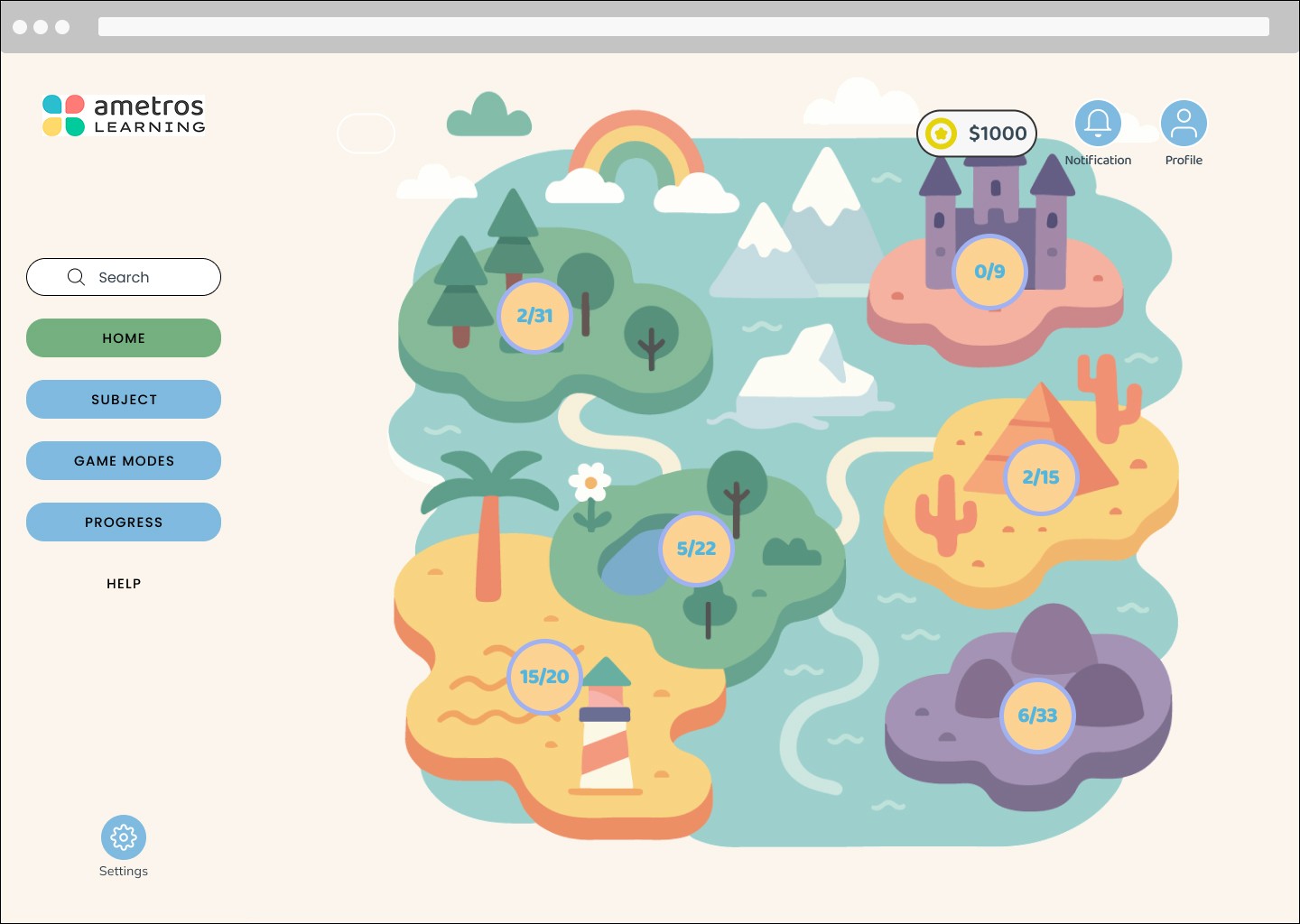
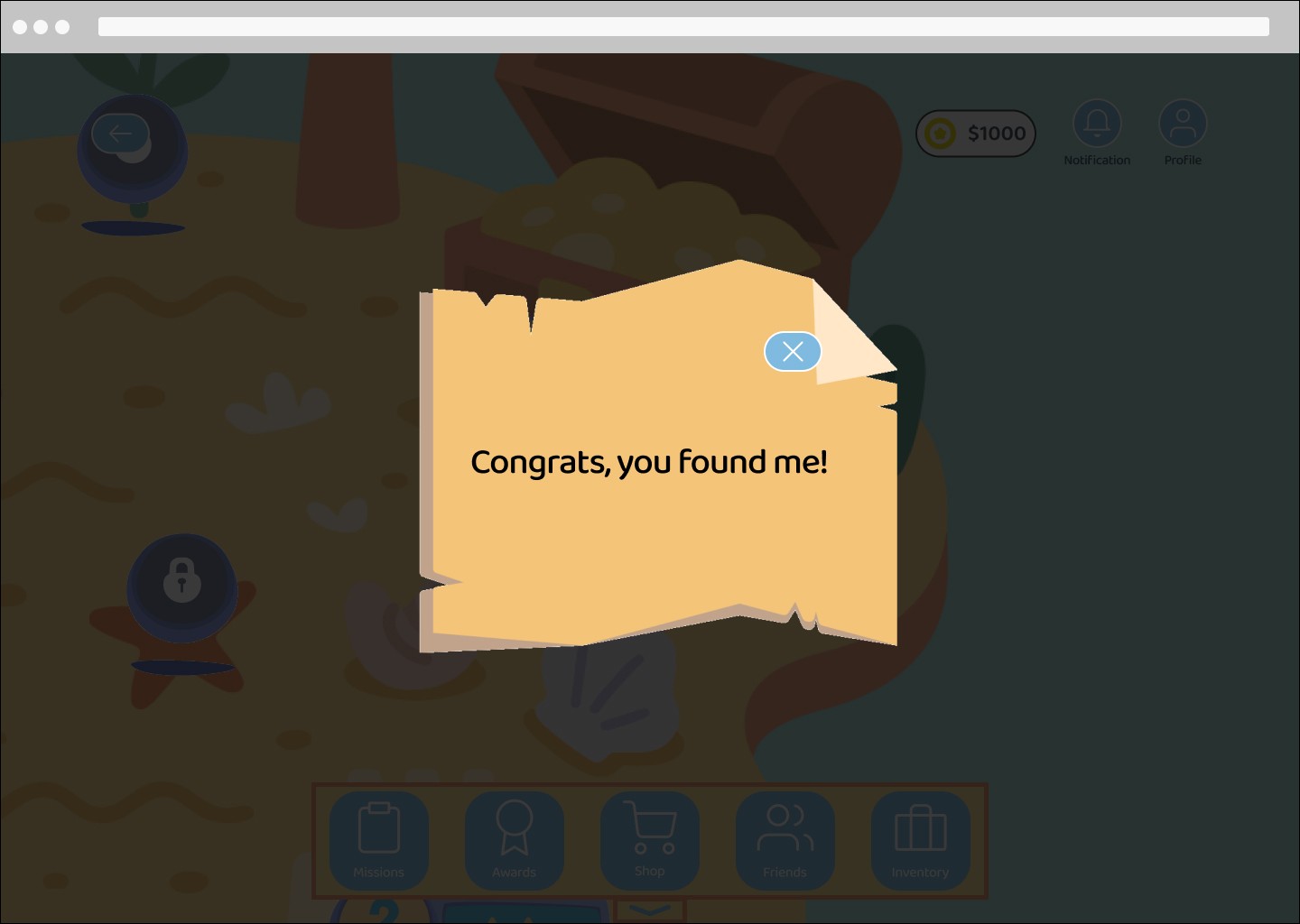
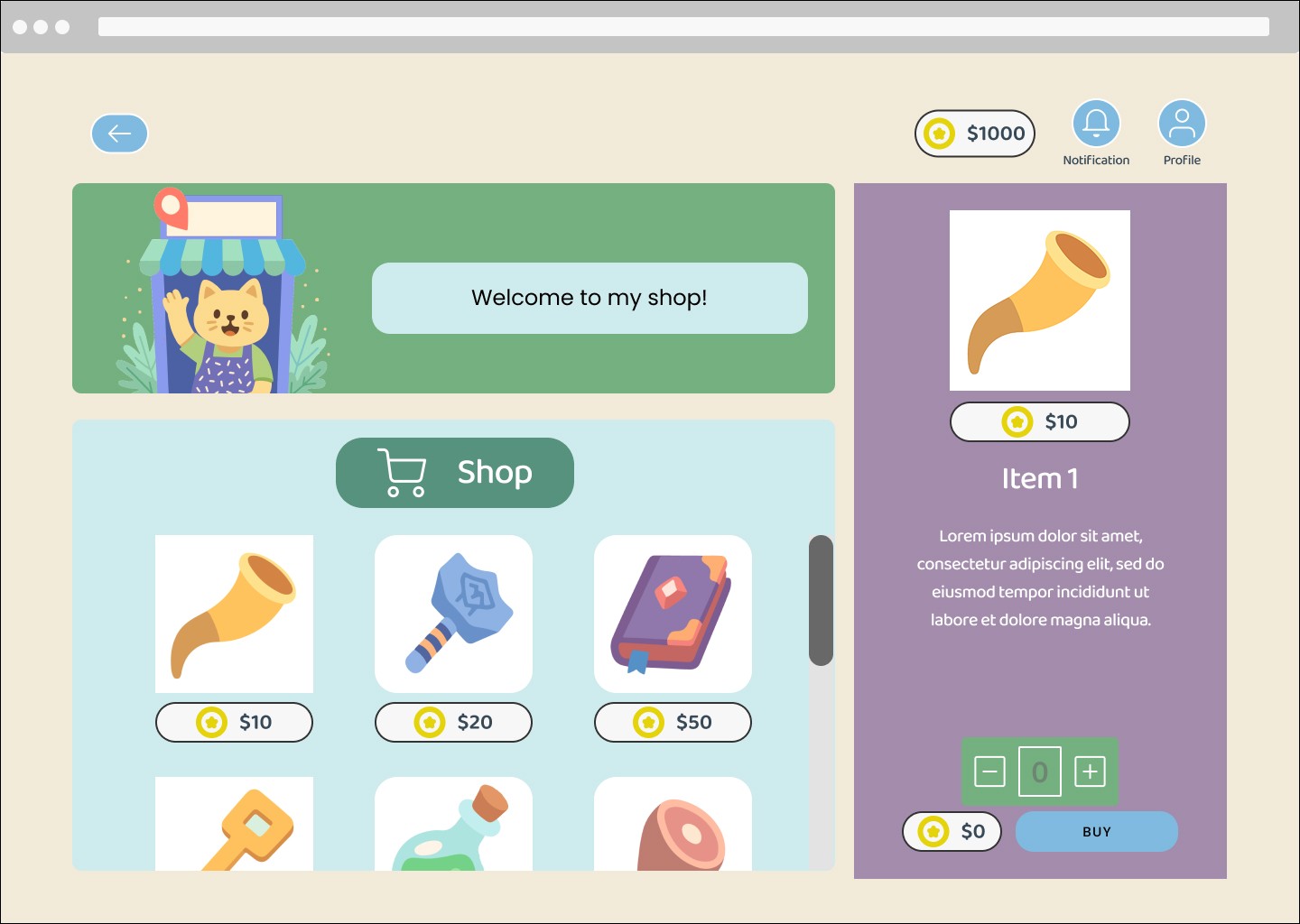
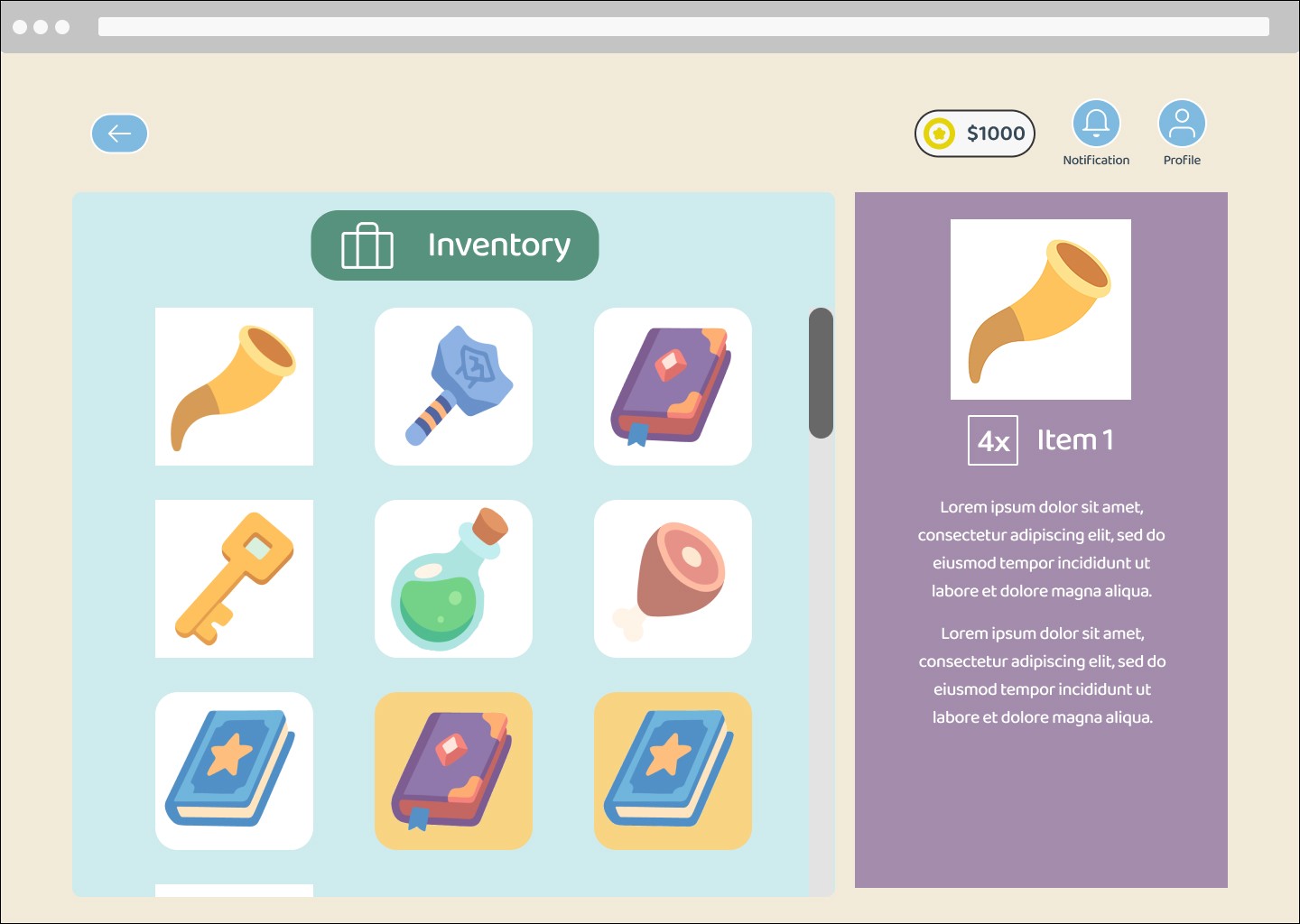
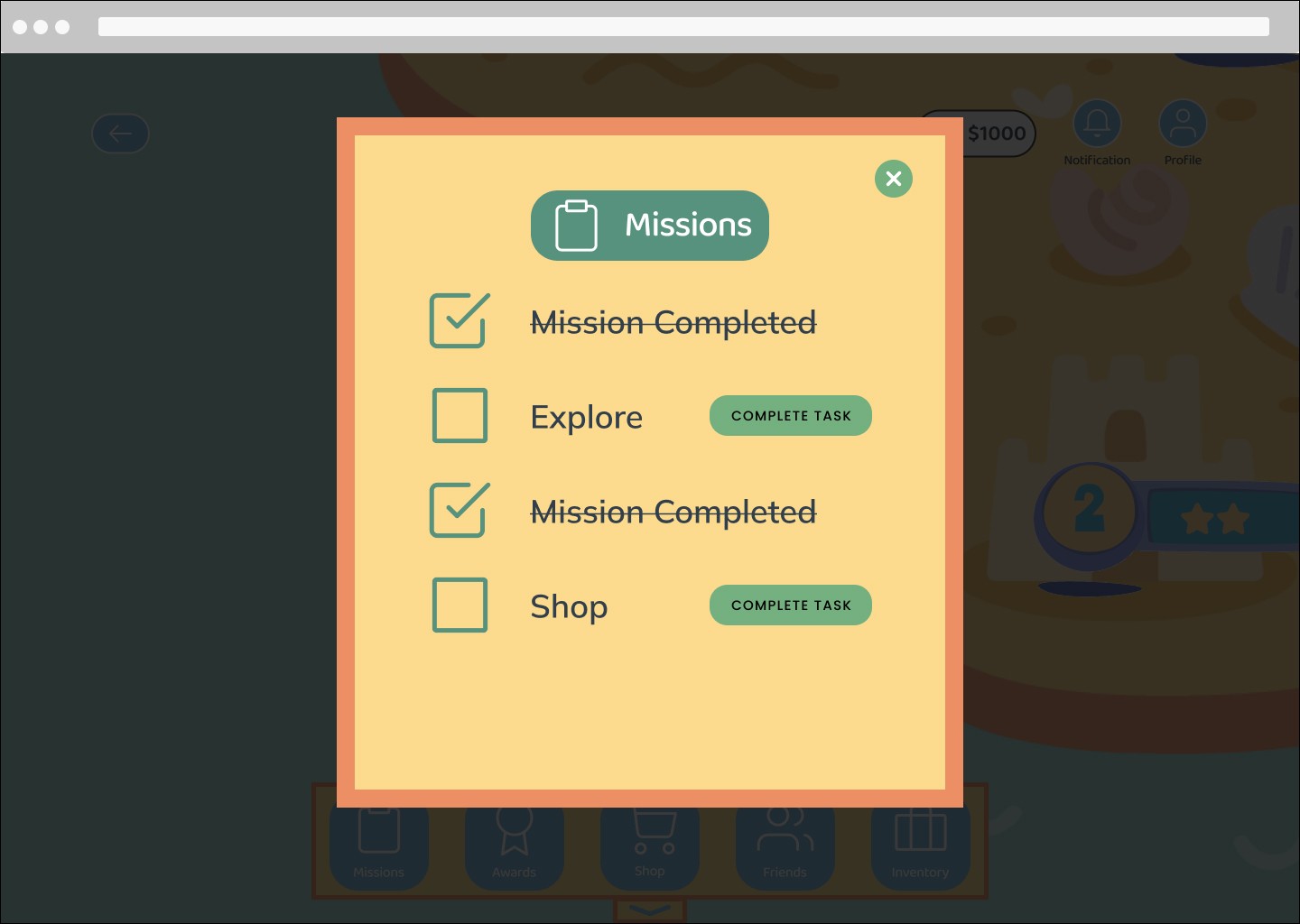
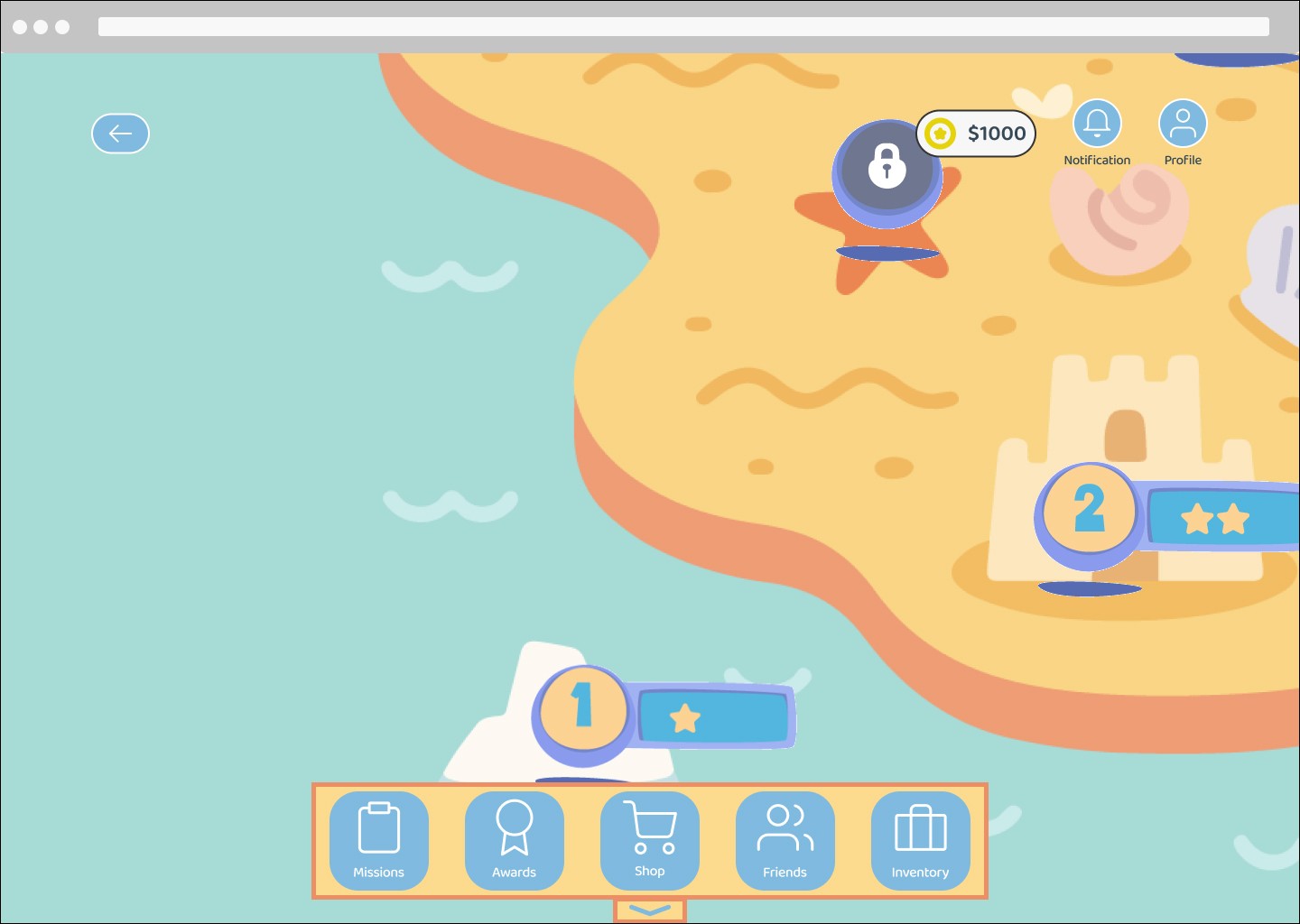
With the results of the user validation testing, we created our first wireframe iteration that focuses on showing the sign-up procedure, progress dashboard, and various in-game screens, such as shop and inventory.
The primary goal of this first iteration is to test whether the flow of the sign-up procedure and the design of the in-game screens are intuitive and easy to use.
First Iteration of Chosen Concept:
With the results of the user validation testing, we created our first wireframe iteration that focuses on showing the sign-up procedure, progress dashboard, and various in-game screens, such as shop and inventory.
The primary goal of this first iteration is to test whether the flow of the sign-up procedure and the design of the in-game screens are intuitive and easy to use.
First Iteration of Chosen Concept:
With the results of the user validation testing, we created our first wireframe iteration that focuses on showing the sign-up procedure, progress dashboard, and various in-game screens, such as shop and inventory.
The primary goal of this first iteration is to test whether the flow of the sign-up procedure and the design of the in-game screens are intuitive and easy to use.
Design Rationale:
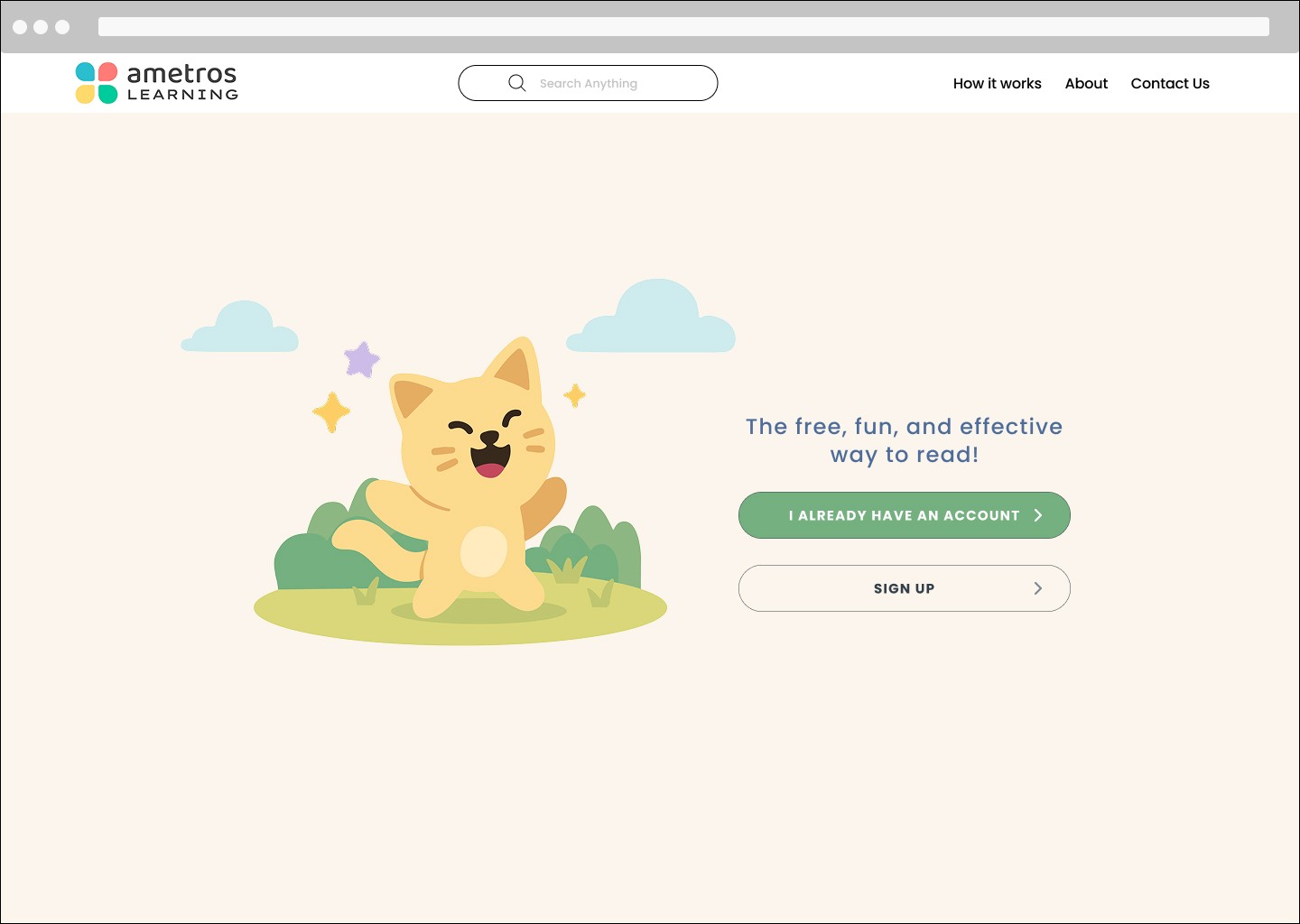
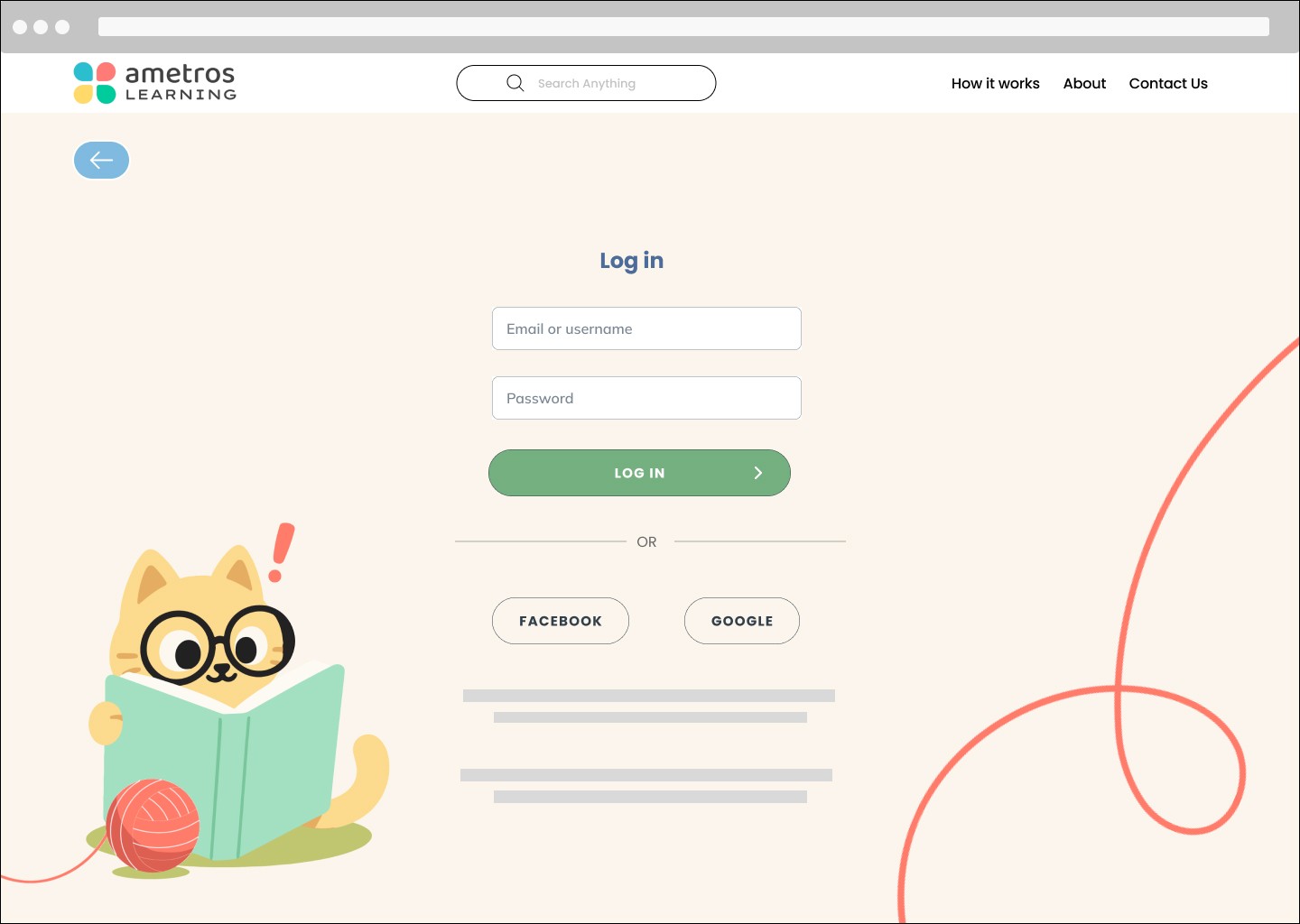
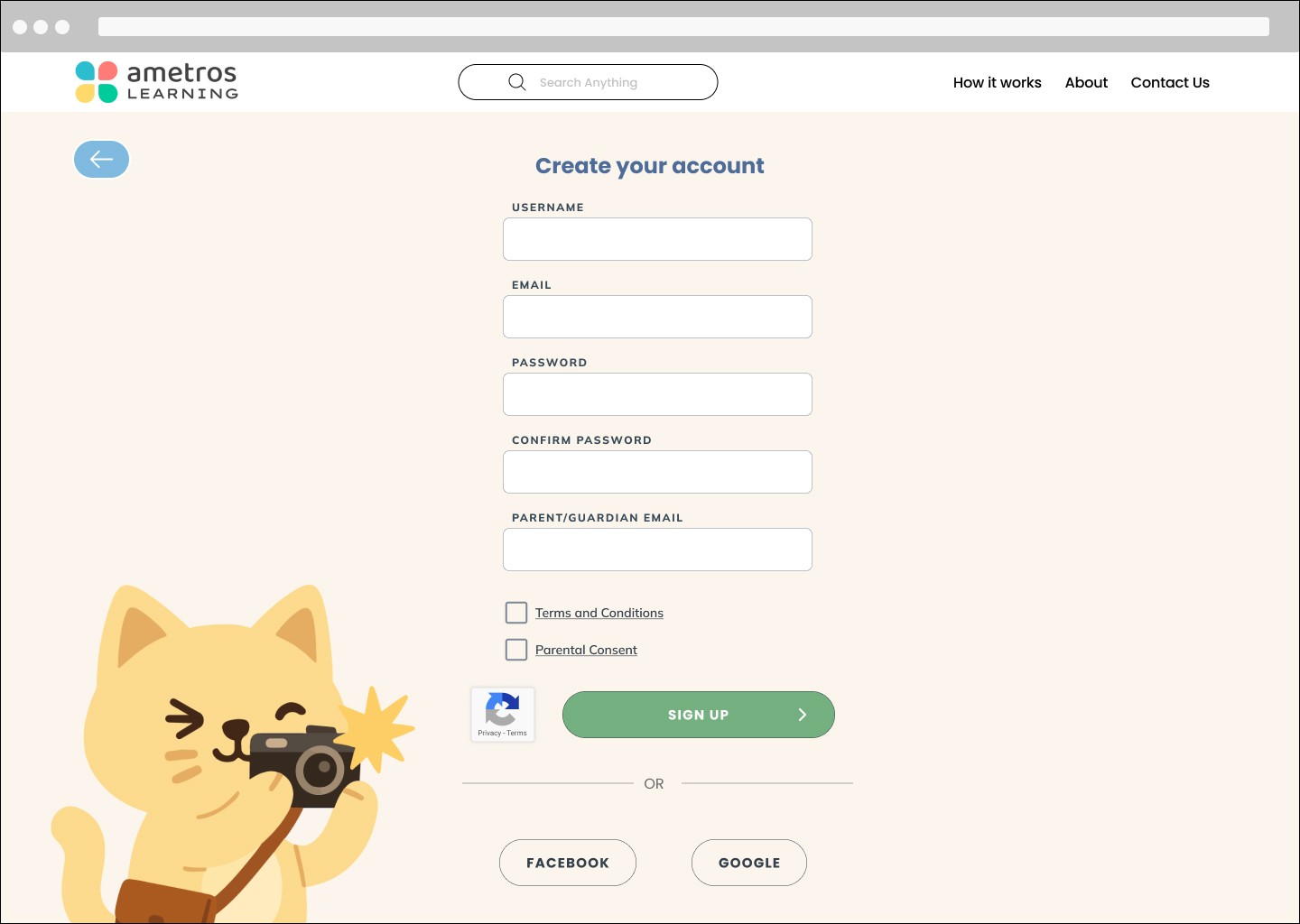
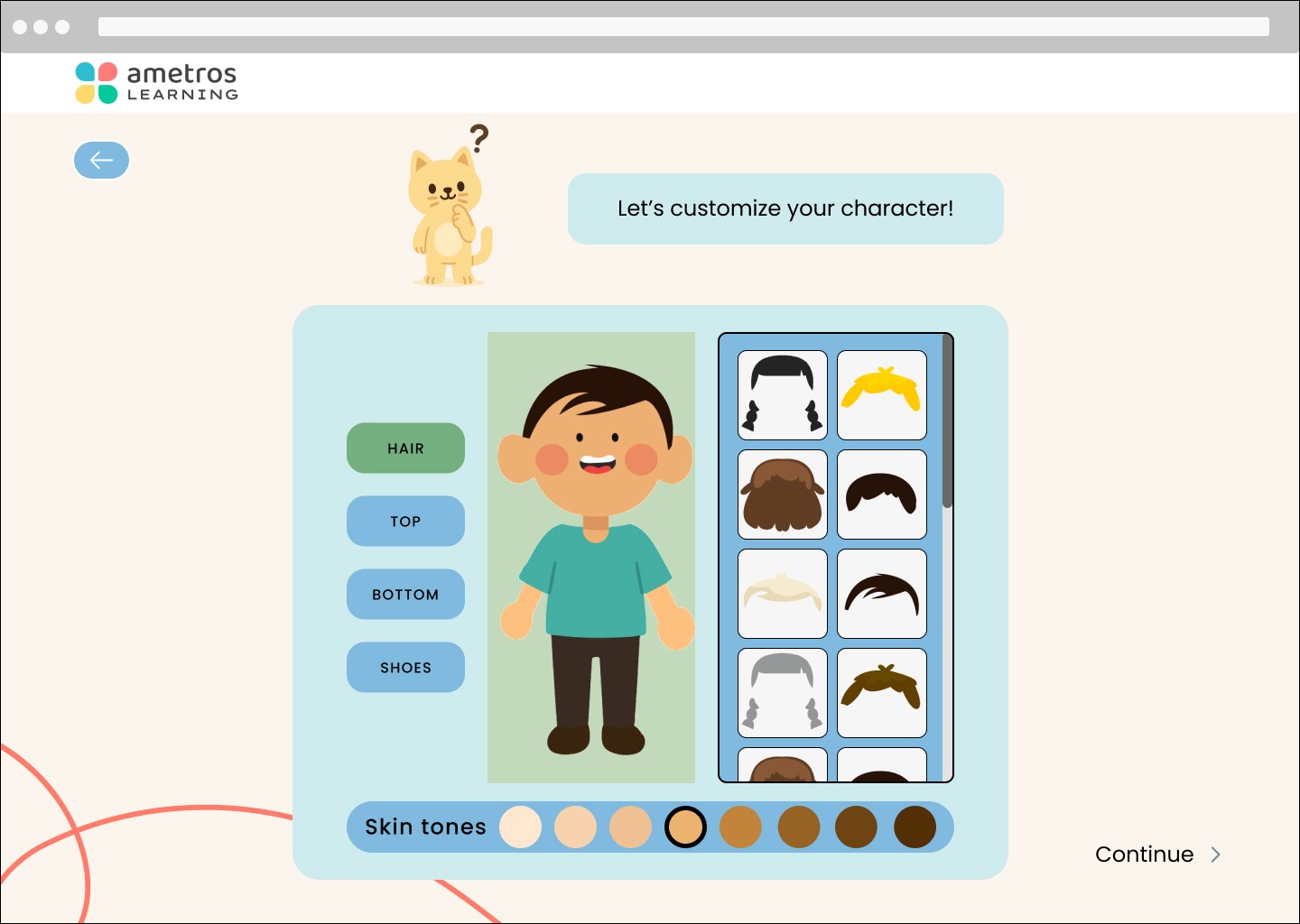
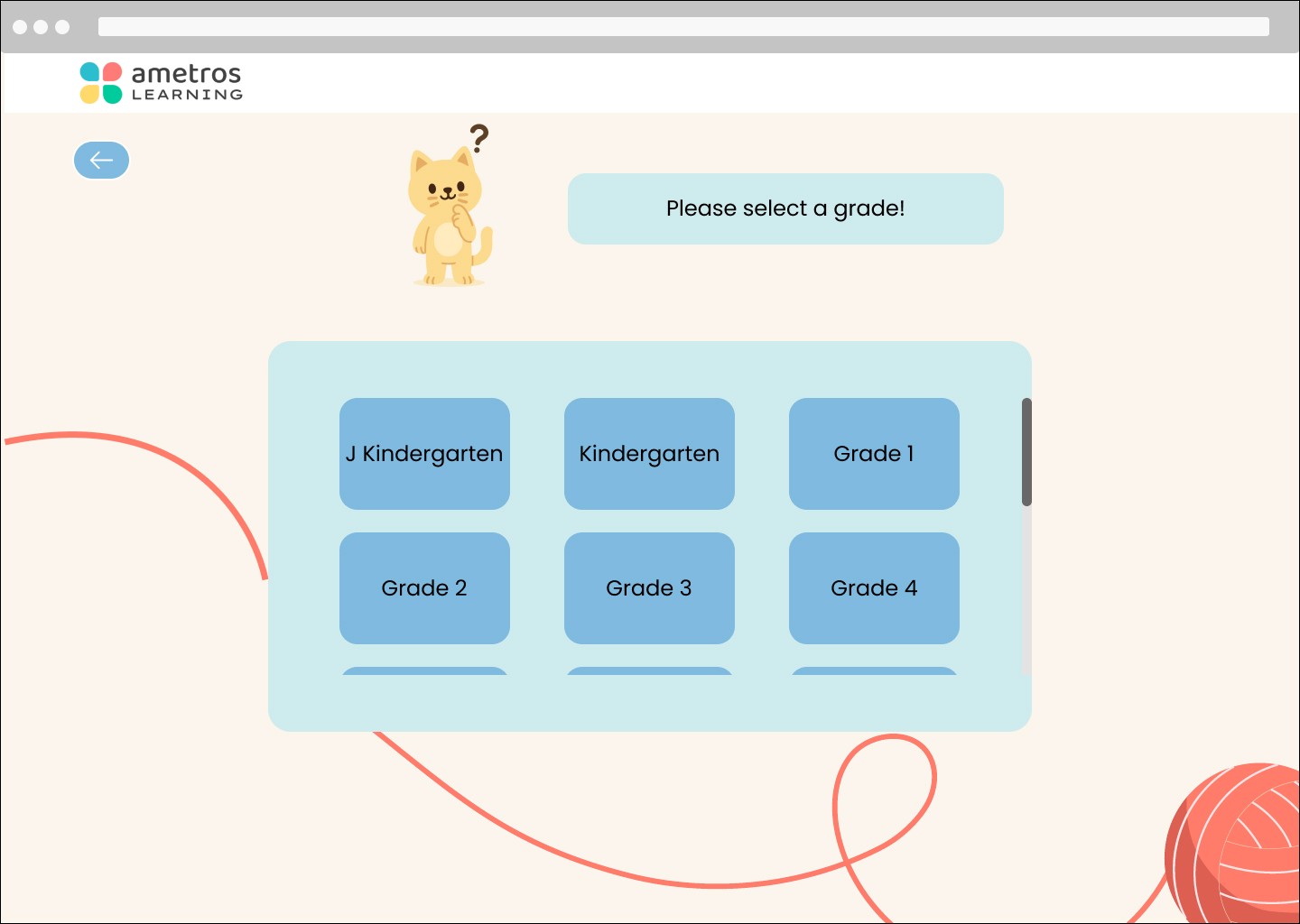
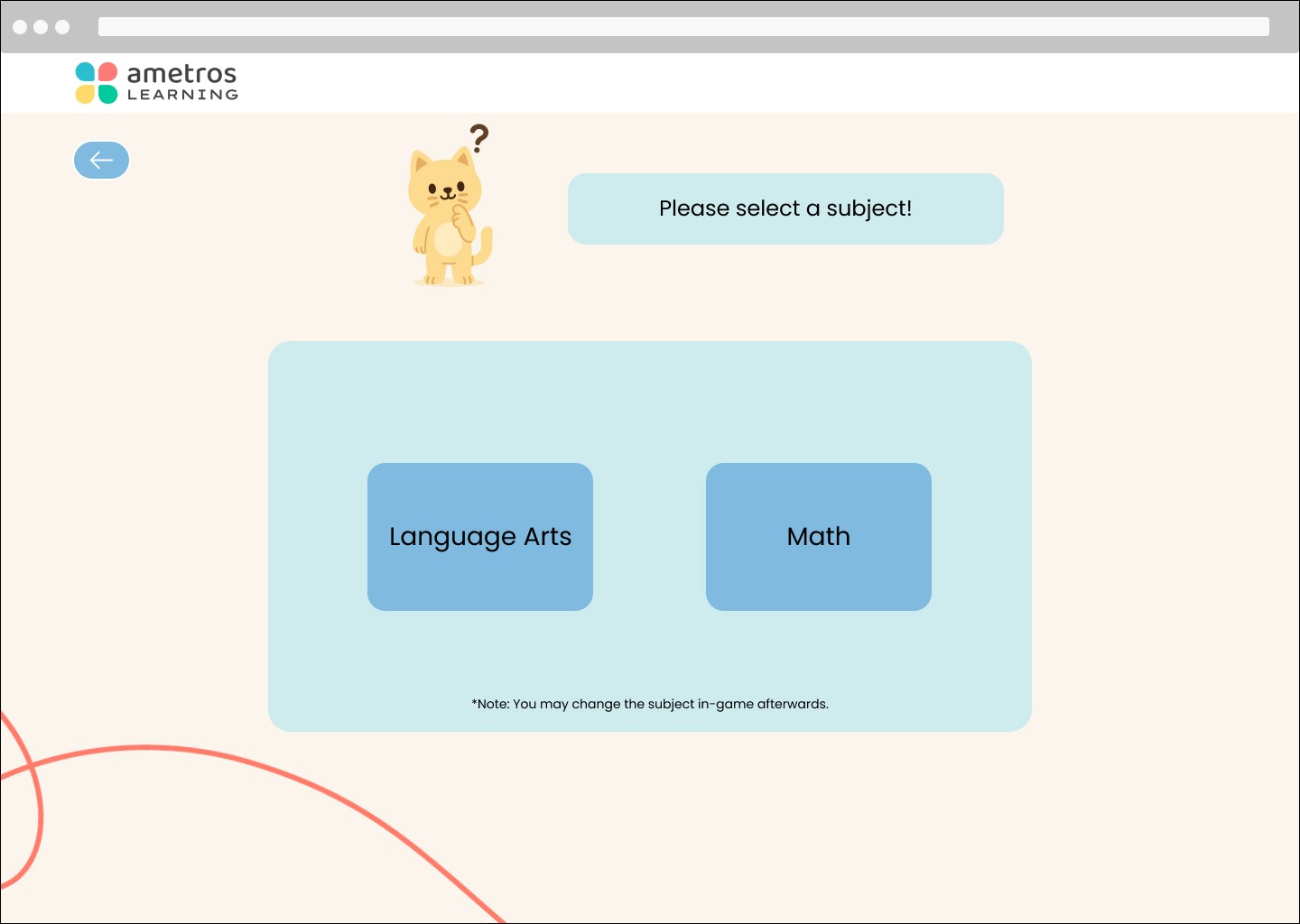
Streamlined Onboarding: The onboarding process is fast and user-friendly, with optional screens—such as avatar customization—designed to reduce friction and save time.
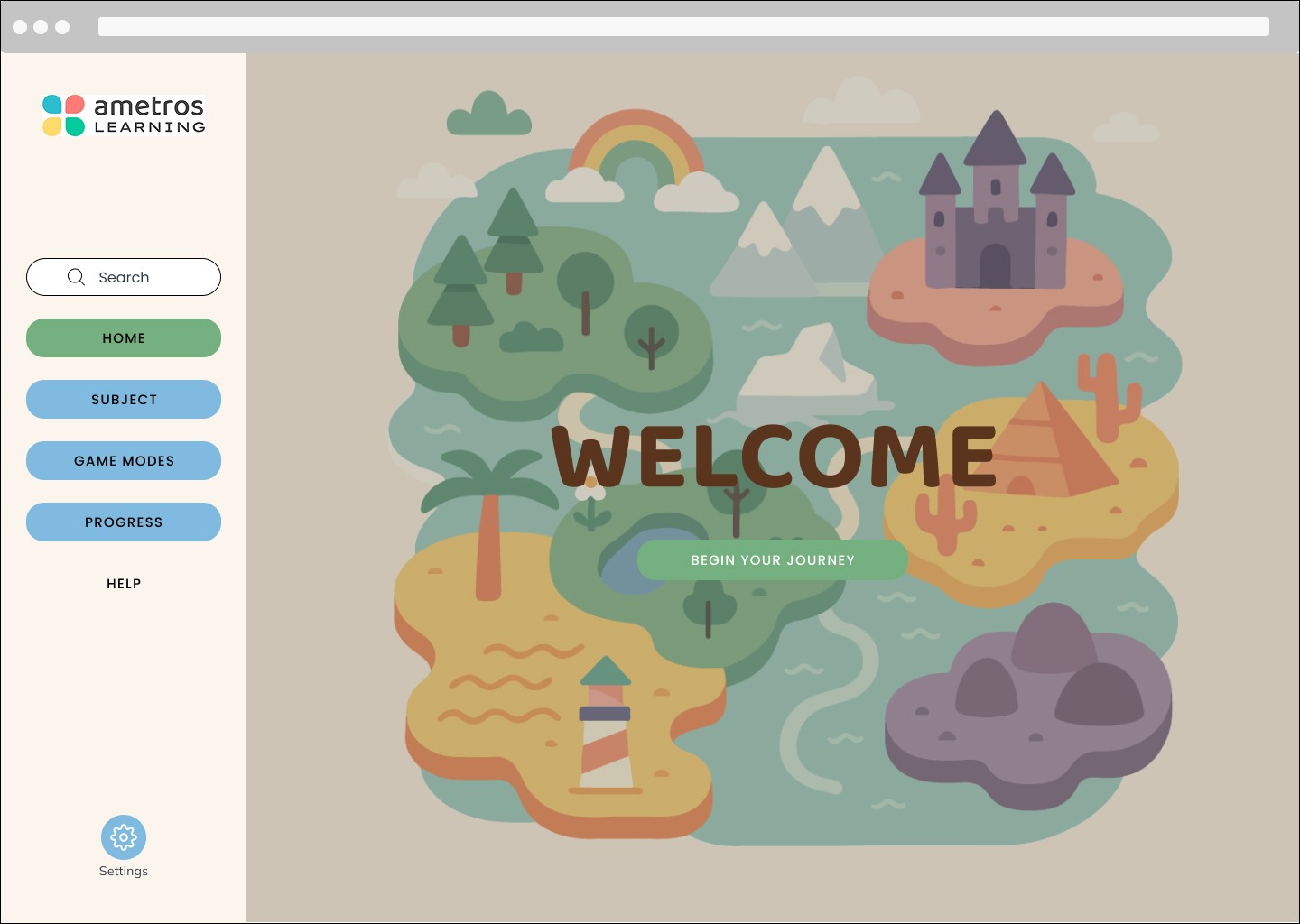
Minimalist, Consistent Navigation: A persistent search bar and side navigation panel provide a clear, intuitive structure, while well-defined CTAs guide users effectively through the platform.
Game-Based Learning Elements: Familiar game components—like “Shop” and “Inventory” screens—leverage common gaming terminology to support intuitive navigation for users with gaming experience.
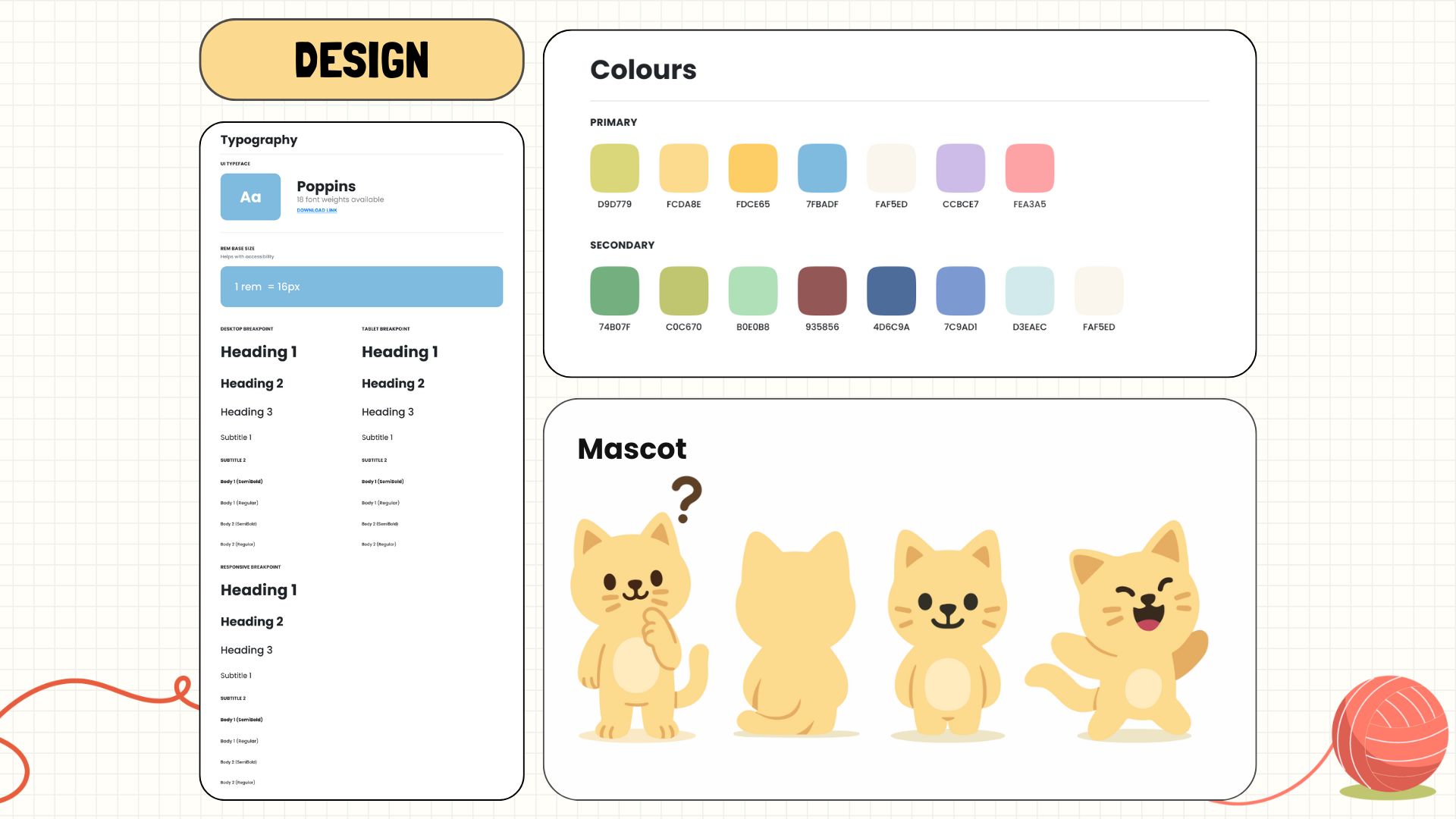
Aligned Brand Identity: The platform maintains visual consistency with Ametros Learning, its parent company, by incorporating the same logo and typography for cohesive brand recognition
Design Rationale:
Streamlined Onboarding: The onboarding process is fast and user-friendly, with optional screens—such as avatar customization—designed to reduce friction and save time.
Minimalist, Consistent Navigation: A persistent search bar and side navigation panel provide a clear, intuitive structure, while well-defined CTAs guide users effectively through the platform.
Game-Based Learning Elements: Familiar game components—like “Shop” and “Inventory” screens—leverage common gaming terminology to support intuitive navigation for users with gaming experience.
Aligned Brand Identity: The platform maintains visual consistency with Ametros Learning, its parent company, by incorporating the same logo and typography for cohesive brand recognition
Design Rationale:
Streamlined Onboarding: The onboarding process is fast and user-friendly, with optional screens—such as avatar customization—designed to reduce friction and save time.
Minimalist, Consistent Navigation: A persistent search bar and side navigation panel provide a clear, intuitive structure, while well-defined CTAs guide users effectively through the platform.
Game-Based Learning Elements: Familiar game components—like “Shop” and “Inventory” screens—leverage common gaming terminology to support intuitive navigation for users with gaming experience.
Aligned Brand Identity: The platform maintains visual consistency with Ametros Learning, its parent company, by incorporating the same logo and typography for cohesive brand recognition
Testing & Iterations
Testing & Iterations
Usability Testing Process:
Six of our usability tests were conducted remotely on Google Meet, except for one usability test, which was conducted in person. All the tests took 20 minutes to complete.
The total number of participants: 7
Ages: 20-32.
All the participants were in their mid-twenties to early 30s.
Five are university students, and the remaining two are working individuals.
Most of them have previously used an e-learning platform.
Location: Canada, Pakistan and South Korea
Participants were given a link to the Figma prototype through Google Meet chats and a pre-and post-questionnaire form. Three scenarios were given to them, which involved multiple tasks to onboard and navigate through the platform's features.
Usability Testing Process:
Six of our usability tests were conducted remotely on Google Meet, except for one usability test, which was conducted in person. All the tests took 20 minutes to complete.
The total number of participants: 7
Ages: 20-32.
All the participants were in their mid-twenties to early 30s.
Five are university students, and the remaining two are working individuals.
Most of them have previously used an e-learning platform.
Location: Canada, Pakistan and South Korea
Participants were given a link to the Figma prototype through Google Meet chats and a pre-and post-questionnaire form. Three scenarios were given to them, which involved multiple tasks to onboard and navigate through the platform's features.
Usability Testing Process:
Six of our usability tests were conducted remotely on Google Meet, except for one usability test, which was conducted in person. All the tests took 20 minutes to complete.
The total number of participants: 7
Ages: 20-32.
All the participants were in their mid-twenties to early 30s.
Five are university students, and the remaining two are working individuals.
Most of them have previously used an e-learning platform.
Location: Canada, Pakistan and South Korea
Participants were given a link to the Figma prototype through Google Meet chats and a pre-and post-questionnaire form. Three scenarios were given to them, which involved multiple tasks to onboard and navigate through the platform's features.
Key Findings:
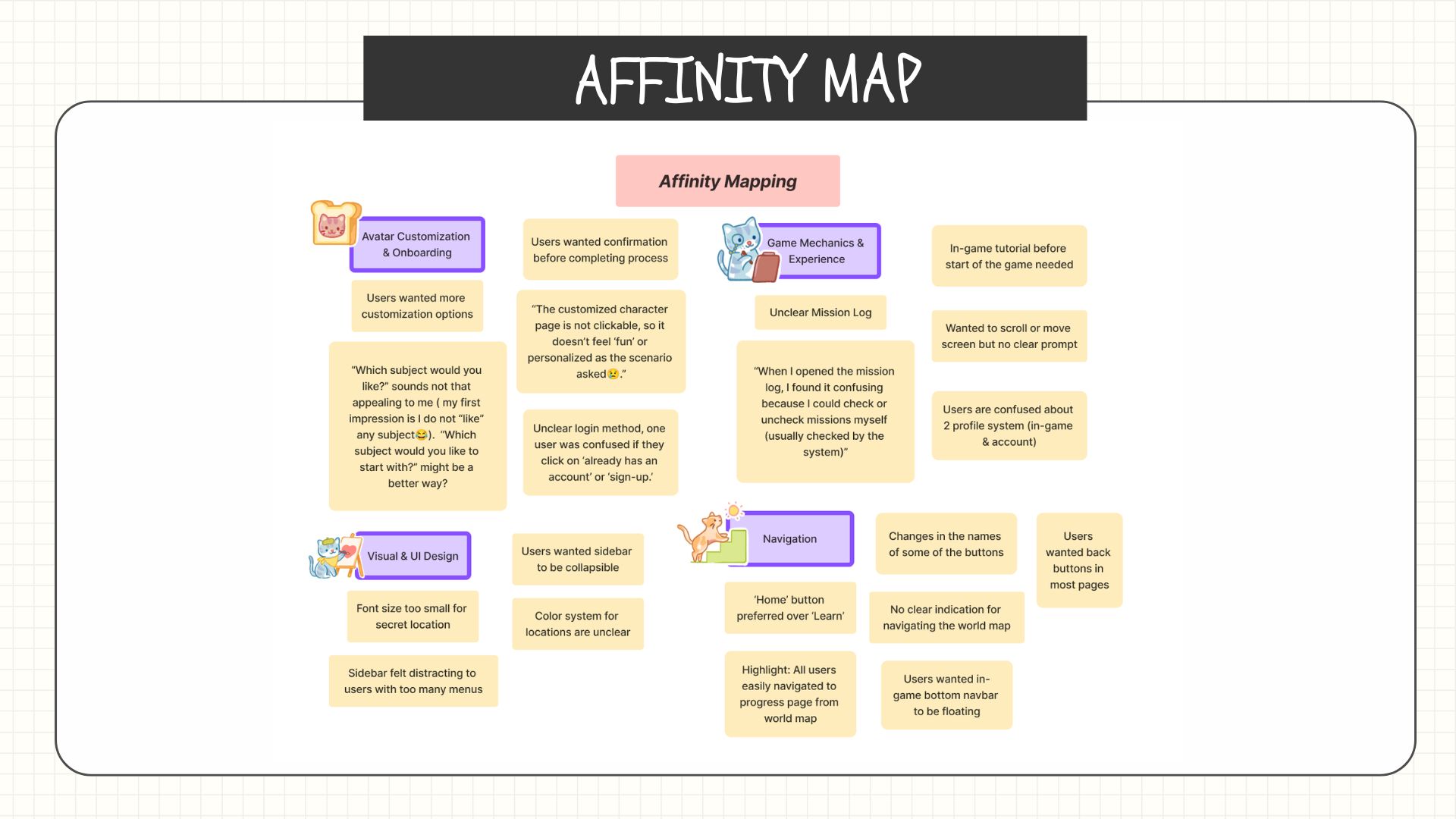
Some button placements, such as the sidebar, were not as intuitive. Users found that the sidebar was a hindrance when playing the game.
Navigational elements, such as the back button, were missing. 2 out of 7 users preferred having the back button on the progress screen instead of navigating using the sidebar.
Prototype functionalities were limited, such as not having many interactions in the customization wireframe. 6 out of 7 participants wanted a clickable and variety of options for avatar customizations.
Some of the menu names used were confusing and were not intuitive for easy navigation.
Key Findings:
Some button placements, such as the sidebar, were not as intuitive. Users found that the sidebar was a hindrance when playing the game.
Navigational elements, such as the back button, were missing. 2 out of 7 users preferred having the back button on the progress screen instead of navigating using the sidebar.
Prototype functionalities were limited, such as not having many interactions in the customization wireframe. 6 out of 7 participants wanted a clickable and variety of options for avatar customizations.
Some of the menu names used were confusing and were not intuitive for easy navigation.
Key Findings:
Some button placements, such as the sidebar, were not as intuitive. Users found that the sidebar was a hindrance when playing the game.
Navigational elements, such as the back button, were missing. 2 out of 7 users preferred having the back button on the progress screen instead of navigating using the sidebar.
Prototype functionalities were limited, such as not having many interactions in the customization wireframe. 6 out of 7 participants wanted a clickable and variety of options for avatar customizations.
Some of the menu names used were confusing and were not intuitive for easy navigation.
High-fidelity Frames
High-fidelity Frames
Design Guide
Design Guide
Video Walkthrough
Video Walkthrough
Reflection & Takeaways
Reflection & Takeaways
Key Learning Outcomes
Key Learning Outcomes
There are many different components and accessibility issues, such as dark mode or text-to-speech functions, to consider when designing an educational game.
It is essential to keep the users informed throughout their time using the platform through pop-ups or button hover animations.
As mobile phones are more commonly used than laptops and are easier to access, a mobile interface alongside the desktop version would be more intuitive.
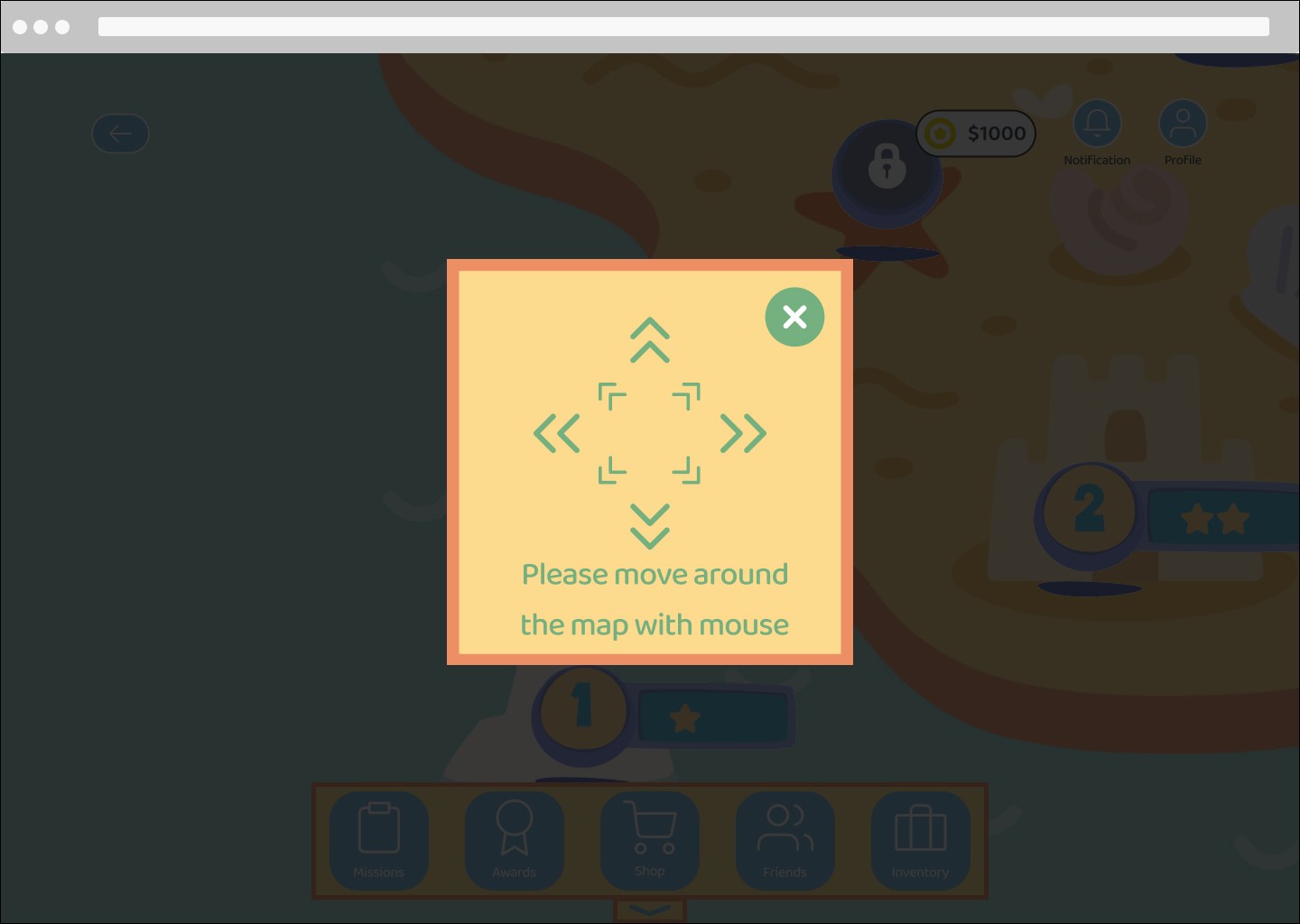
While conducting a usability test, we realized how crucial it is to provide clear instructions to the participants, enabling them to explore more screens and colors.
Overall, the key takeaway from this project would be improving my knowledge on creating designs that promote accessibility, especially when designing in the context of education and inclusivity.
There are many different components and accessibility issues, such as dark mode or text-to-speech functions, to consider when designing an educational game.
It is essential to keep the users informed throughout their time using the platform through pop-ups or button hover animations.
As mobile phones are more commonly used than laptops and are easier to access, a mobile interface alongside the desktop version would be more intuitive.
While conducting a usability test, we realized how crucial it is to provide clear instructions to the participants, enabling them to explore more screens and colors.
Overall, the key takeaway from this project would be improving my knowledge on creating designs that promote accessibility, especially when designing in the context of education and inclusivity.
Biggest Challenges & The Solution
Biggest Challenges & The Solution
Biggest Challenge: trying to mimic the experience of a game through a Figma prototype and offering an experience of a game through the limitations of Figma prototype.
Solution: relied on playful and colorful graphics to reinforce the experience of a game and ran through multiple iterations and user testing to validate the experience.
Biggest Challenge: trying to mimic the experience of a game through a Figma prototype and offering an experience of a game through the limitations of Figma prototype.
Solution: relied on playful and colorful graphics to reinforce the experience of a game and ran through multiple iterations and user testing to validate the experience.
Next Steps & Future Improvements
Next Steps & Future Improvements
Since this case study is part of a larger Major Research Project, we will be looking to improve upon the feedback we received from the High-Fidelity Prototype presentation.
We will be creating more prototype frames that showcase the in-game scenario gameplay.
We will be employing game engines to potentially develop and build a game prototype that would solve Figma’s prototype limitations.
Since this case study is part of a larger Major Research Project, we will be looking to improve upon the feedback we received from the High-Fidelity Prototype presentation.
We will be creating more prototype frames that showcase the in-game scenario gameplay.
We will be employing game engines to potentially develop and build a game prototype that would solve Figma’s prototype limitations.